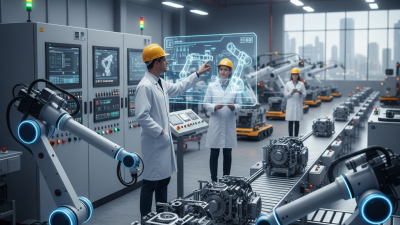
Top 10 Pharmaceutical Labeling Machines for Global Buyers?
In today's fast-paced pharmaceutical industry, the role of Pharmaceutical Labeling Machines has become increasingly critical. According to a report by Grand View Research, the global pharmaceutical labeling market is expected to reach $5.2 billion by 2027, growing at a CAGR of 6.5%. As the demand for efficient labeling technologies rises, so do the expectations for innovation and precision in labeling applications.
Dr. Emily Johnson, an industry expert at the Pharmaceutical Labeling Institute, states, "Accurate labeling is the backbone of pharmaceutical safety." This reflects the ongoing concern regarding compliance and traceability in medication packaging. The necessity for advanced labeling solutions is evident, especially with the rising number of regulatory requirements worldwide. However, not all labeling machines meet these standards effectively.
With a myriad of options available, selecting the right Pharmaceutical Labeling Machine can be overwhelming. Buyers often face challenges related to scalability and integration into existing systems. Choosing poorly can lead to inefficiencies and regulatory issues. Thus, understanding the landscape of available machines is vital for buyers seeking to enhance their operations in this high-stakes industry.
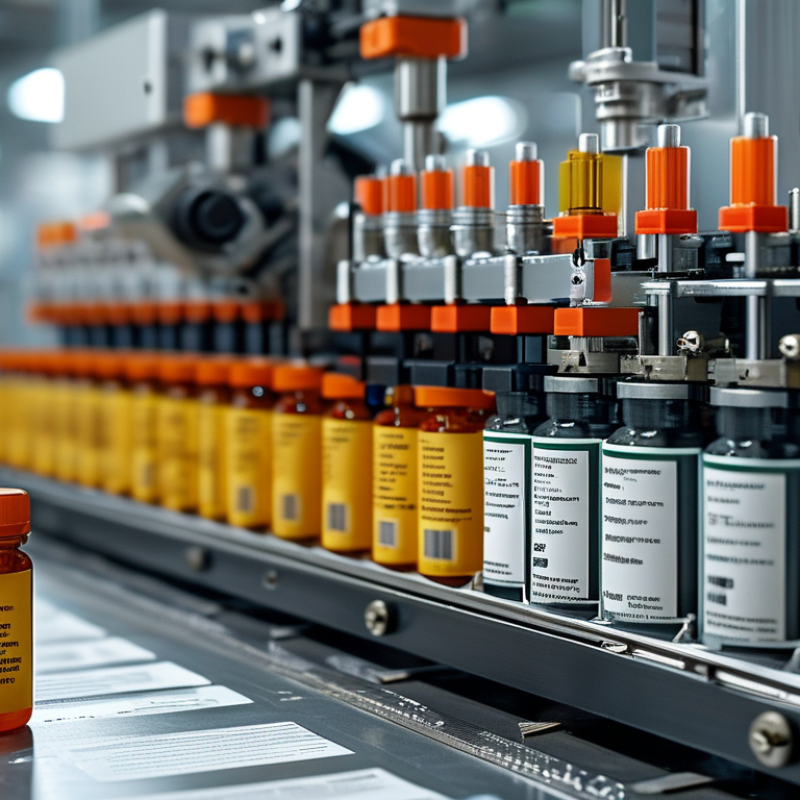
Overview of Pharmaceutical Labeling Machines and Their Importance
The pharmaceutical industry relies heavily on accurate labeling to ensure safety and compliance. In a recent report, it was noted that over 30% of medication errors stem from improper labeling. This statistic highlights the critical role labeling machines play in the production process. They automate the process of applying labels, substantially reducing human error. Furthermore, with precise labeling, companies can maintain regulatory compliance, thus avoiding costly fines and recalls.
Pharmaceutical labeling machines vary in speed and complexity. Some models can label up to 600 containers per minute. High-precision machines ensure that every label is aligned correctly, which directly affects shelf life and drug efficacy. Reports suggest that investing in advanced labeling technology can lead to a 20% reduction in waste. However, the initial cost and training can be challenging for some companies. This investment requires careful consideration, balancing short-term expenses with long-term benefits.
Despite the advancements, the labeling process can still face challenges. Label misalignment and adhesive failures are common issues that require ongoing attention. Regular maintenance and operator training are essential for minimizing these problems. Ultimately, a focus on improving labeling processes can enhance both product quality and patient safety in the pharmaceutical sector.
Key Features to Consider When Choosing a Labeling Machine
When selecting a pharmaceutical labeling machine, several key features demand attention. First, consider the machine's speed and efficiency. A high-speed labeling machine ensures that production lines run smoothly without long downtimes. However, efficiency should not compromise accuracy. Accuracy in label placement is crucial for compliance and customer trust.
Another vital factor is the machine’s versatility. Some machines can handle various bottle sizes and shapes. This adaptability allows manufacturers to switch between products easily. However, not all machines excel at this. Evaluating a machine's capability to manage different label types can save time and resources.
User-friendliness is also important. Operators should find the machine easy to control and maintain. Complicated interfaces can slow production and lead to mistakes. Training staff to operate new machines can be a challenge. Therefore, investing in a machine with intuitive design can mitigate future setbacks. While advanced technology often promises high performance, it can also bring unforeseen difficulties. Adjusting to new systems might require flexibility and planning. Consider potential challenges before making a decision.
Top 10 Pharmaceutical Labeling Machines for Global Buyers
Pharmaceutical labeling machines play a crucial role in the lifecycle of medication production. These machines ensure accuracy and compliance with industry regulations. In an era where safety is paramount, effective labeling helps prevent medication errors, protecting consumers worldwide. Labels must be clear, professional, and able to withstand various environmental factors.
Global buyers often face a challenge in choosing the right labeling machines. The variety of options can be overwhelming. Factors such as speed, precision, and ease of operation should be considered. High-quality machines should also offer versatility for different packaging types. In a fast-paced market, machine efficiency can significantly impact overall production.
While many machines claim reliability, it's essential to evaluate their performance in real-world settings. User experiences can differ greatly. Some buyers may find certain models less user-friendly or more prone to errors. Understanding these nuances can lead to better decisions. Investing time in research can help buyers align their needs with the right equipment for their operations.
Top 10 Pharmaceutical Labeling Machines for Global Buyers
| Machine Model |
Labeling Speed (labels/min) |
Max Label Width (mm) |
Dimensions (L x W x H mm) |
Weight (kg) |
Power (W) |
| Model A |
150 |
100 |
1500 x 800 x 1200 |
200 |
500 |
| Model B |
120 |
90 |
1400 x 750 x 1100 |
180 |
450 |
| Model C |
100 |
80 |
1300 x 700 x 1000 |
160 |
400 |
| Model D |
80 |
70 |
1200 x 650 x 950 |
150 |
350 |
| Model E |
70 |
60 |
1100 x 600 x 900 |
140 |
300 |
| Model F |
150 |
85 |
1450 x 800 x 1150 |
210 |
550 |
| Model G |
130 |
95 |
1380 x 780 x 1080 |
190 |
480 |
| Model H |
160 |
100 |
1600 x 850 x 1250 |
220 |
600 |
| Model I |
140 |
92 |
1550 x 820 x 1180 |
200 |
520 |
| Model J |
110 |
88 |
1300 x 780 x 1050 |
165 |
410 |
Comparative Analysis of Leading Labeling Machine Brands
The pharmaceutical labeling machinery market continues to evolve, driven by technological advancements and regulatory requirements. Recent reports indicate that the global market for labeling machines is expected to grow at a compound annual growth rate (CAGR) of 5.4% from 2021 to 2028. This growth highlights the increasing demand for accuracy and efficiency in labeling processes.
When comparing leading brands of pharmaceutical labeling machines, key factors come into play. Speed, precision, and versatility are significant metrics. For instance, machines that can handle various packaging formats and materials tend to be more favored. Additionally, a study from the International Journal of Pharmaceutical Sciences points out that 65% of labeling errors stem from inadequate machine capabilities, emphasizing the importance of choosing machines with robust features.
Innovations such as automation and artificial intelligence are becoming crucial. However, companies often face challenges in integrating these technologies. A survey showed that 45% of manufacturers struggle with maintenance and training. This highlights the need for ongoing education and support in the use of advanced labeling solutions. Addressing these gaps can enhance productivity and compliance in the pharmaceutical sector.
Future Trends in Pharmaceutical Labeling Technologies
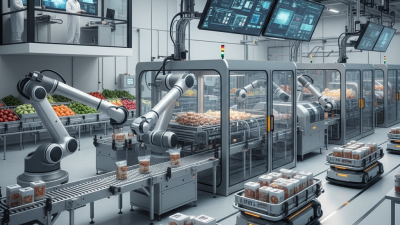
Pharmaceutical labeling technologies are evolving rapidly. The industry is seeing trends that focus on automation, smart labeling, and sustainability. Automation enhances efficiency, reducing the risk of human error. Robots are now common in packaging lines, applying labels with precision. This leads to faster production cycles, which is crucial for meeting global demands.
Smart labeling is gaining traction. QR codes and augmented reality features provide consumers with essential information. These technologies not only enhance user experience but also ensure compliance with regulations. However, organizations must stay updated on tech advancements. Ignoring these changes can result in missed opportunities.
**Tips:** Invest in training for staff on new technologies. This fosters a culture of adaptability. Regularly assess your labeling processes for inefficiencies. Continuous improvement leads to better productivity and safety. Remember, adopting new technologies can also mean facing challenges. It’s essential to have a plan for integrating these systems smoothly.

 +86 15921716191
 Contact Phone
 Contact Email