Why Choose Custom Labeling Automation Systems for Your Business?
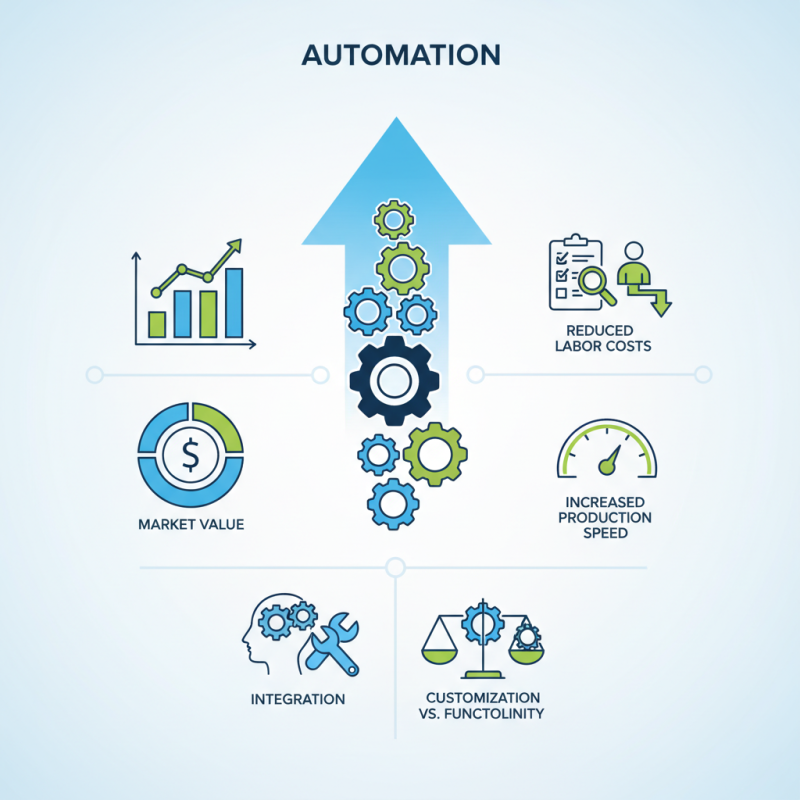
In today’s competitive market, businesses continuously seek ways to enhance operational efficiency. Custom Labeling Automation Systems have emerged as a critical solution for many industries. According to a report from Grand View Research, the global labeling equipment market is expected to reach $47.28 billion by 2028, growing at a CAGR of 5.1%. This growth highlights the increasing need for tailored solutions in labeling processes.
The benefits of Custom Labeling Automation Systems include increased accuracy and reduced labor costs. A study by the Association for Packaging and Processing Technologies reveals that automation can increase production speed by up to 30%. Despite these advantages, not all businesses have adopted these systems. Some face challenges, such as integrating automation with existing workflows or underestimating system maintenance costs.
Implementing Custom Labeling Automation Systems can seem daunting. However, the long-term gains often outweigh the initial hurdles. Businesses must critically assess their unique needs. Finding the right balance between customization and functionality is essential for success in adopting these advanced labeling solutions.
Benefits of Custom Labeling Automation Systems for Businesses
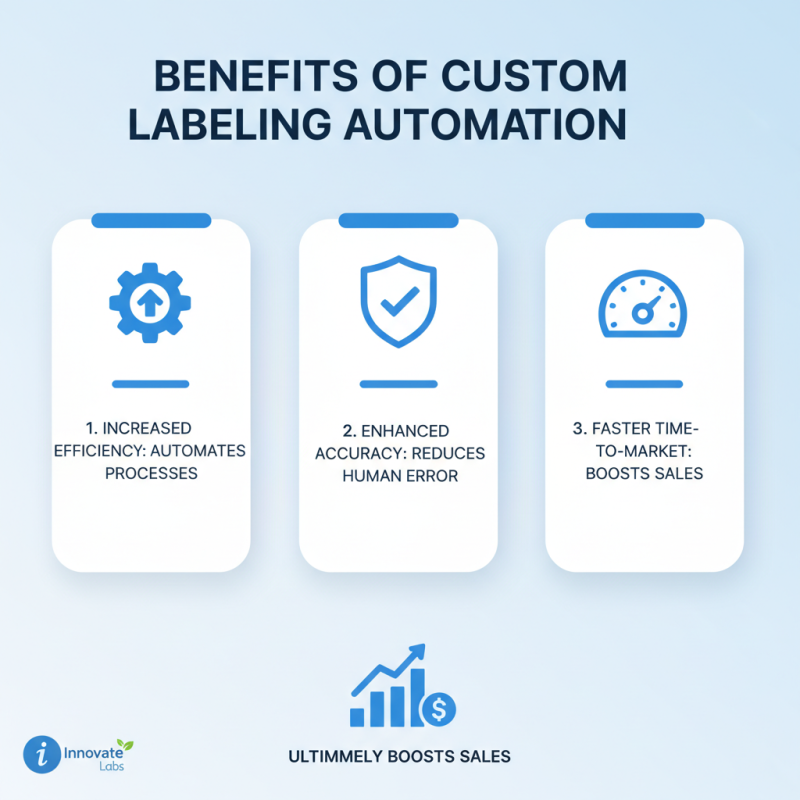
Custom labeling automation systems offer significant advantages for businesses aiming to enhance efficiency and accuracy. These systems reduce human error by drastically automating the labeling process. With precise and consistent labels, products can go to market faster, which ultimately boosts sales.
Investing in automation not only saves time but also reduces labor costs. Staff can focus on other critical tasks while the labeling system handles repetitive work. This shift in responsibilities can lead to higher job satisfaction among employees. However, some businesses may feel initial resistance to adopting technology. Overcoming that hurdle is essential for long-term gain.
Tips: Evaluate your workflow. Identify bottlenecks where errors frequently occur. Consider how automation might streamline that process. Training staff on new systems is crucial, so start small. Test the automation system to work out any issues before full implementation. Regularly review performance metrics to ensure that the system meets your business needs effectively.
Key Features of Custom Labeling Automation Solutions
Custom labeling automation systems offer unique features designed to enhance efficiency and accuracy in business operations. These solutions typically include high-speed printing capabilities. According to the Packaging Automation Report 2023, businesses using automated labeling can see processing speeds that exceed traditional methods by up to 50%. This increase in speed directly correlates to reduced labor costs and improved operational flow.
Another notable feature is the adaptability of custom labeling systems. They can manage a wide variety of label formats and sizes, catering to diverse product lines. A survey by the Automation and Robotics Institute indicates that over 70% of companies prioritize flexibility in their systems. This adaptability can minimize waste and avoid lengthy setup times often associated with manual processes.
However, implementing these systems isn't without challenges. Companies may experience a learning curve while transitioning to automation. Training staff and integrating new technology can present initial obstacles. It’s essential to evaluate these factors carefully before making a significant investment. Addressing these concerns can lead to long-term benefits, ensuring that businesses not only keep pace with industry demands but also cultivate a culture of continuous improvement.
Cost Analysis: Investing in Custom Labeling Automation
Investing in custom labeling automation systems can initially seem daunting. However, a thorough cost analysis reveals potential long-term savings. Custom solutions reduce manual labor, which lowers overhead. Streamlining labeling processes also minimizes human error, leading to less waste and product recalls.
Here are some tips for evaluating costs. First, assess your current labeling output. Compare it with potential improvements from automation. This analysis will highlight savings over time. Next, consider the scalability of the system. A flexible solution grows with your business, maximizing your investment.
Don't overlook maintenance expenses. Regular upkeep can add costs, impacting your budget. Research the reliability of proposed systems and any additional training needed. Lastly, consult industry experts to gain insights on effective solutions. Their real-world experience can guide your decision-making. Remember, the right choice balances efficiency and cost.
Cost Analysis of Custom Labeling Automation Systems
Case Studies: Successful Implementations of Labeling Automation
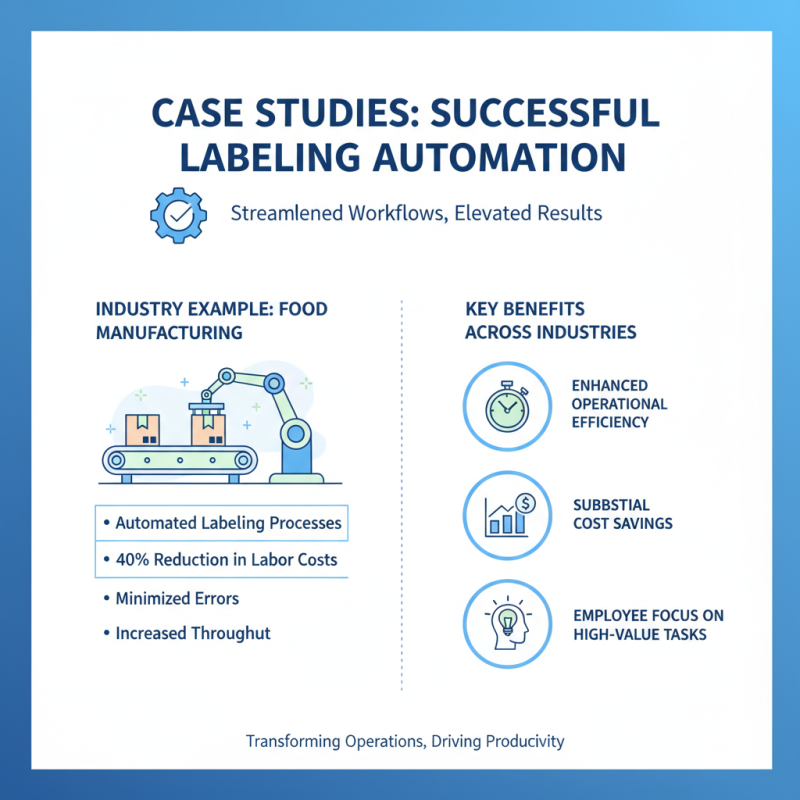
Implementing custom labeling automation systems can significantly enhance operational efficiency. Case studies reveal impressive outcomes in various industries. For example, a food manufacturing company automated its labeling processes, resulting in a 40% reduction in labor costs. They streamlined workflows and minimized errors. Employees focused on higher-value tasks, leading to increased productivity.
In the pharmaceutical sector, another case study highlighted a notable improvement. A company adopted an automated labeling solution that improved accuracy by 30%. These systems ensured compliance with strict regulations. However, the transition was not without challenges. Some employees faced difficulties adapting to the new technology, prompting additional training sessions. Continuous assessment is essential for a successful implementation.
A study by the Association for Packaging and Processing Technologies shows that companies using automated labeling systems report an average ROI of 200% within the first year. This data underscores the value of automation. Challenges can arise, such as initial costs and technology integration hurdles. Yet, businesses that commit to improvement often find long-term benefits that outweigh these obstacles.
Future Trends in Labeling Technology and Automation
In today's fast-paced market, businesses must stay ahead with innovative solutions. Custom labeling automation systems provide significant advantages. They enhance efficiency while adapting to changing consumer demands. As technology evolves, businesses need to align with future trends. Integration of AI and machine learning is on the rise. These technologies can streamline production processes and improve accuracy.
Tips: Start by assessing your current labeling needs. Evaluate how automation can address them. Investing in adaptable systems may be crucial for future-proofing your operations.
Another trend is the emphasis on sustainability. Many companies are looking for eco-friendly materials and processes. Custom labeling solutions can help reduce waste and improve brand image. Keep an eye on emerging technologies that support sustainable practices.
Incorporate feedback loops into your labeling strategy. Regular evaluations of your systems can highlight areas for improvement. Flexibility in your approach enables quicker responses to market changes. Aim for a balance between automation and personal touch.

 +86 15921716191
 Contact Phone
 Contact Email