Top Automatic Packaging and Labeling Equipment for Efficient Supply Chains?
In today's fast-paced supply chains, the efficiency of Automatic Packaging and Labeling Equipment plays a crucial role. John Smith, an expert in the field, stated, "Effective packaging is the backbone of a successful supply chain." This emphasizes the necessity for businesses to adopt advanced technologies.
As companies strive to optimize their operations, the significance of automation cannot be ignored. Automated systems reduce human error and enhance speed. They also free up workers for more complex tasks. However, not all companies have successfully integrated these systems. Some still rely on outdated methods, which can hinder their progress.
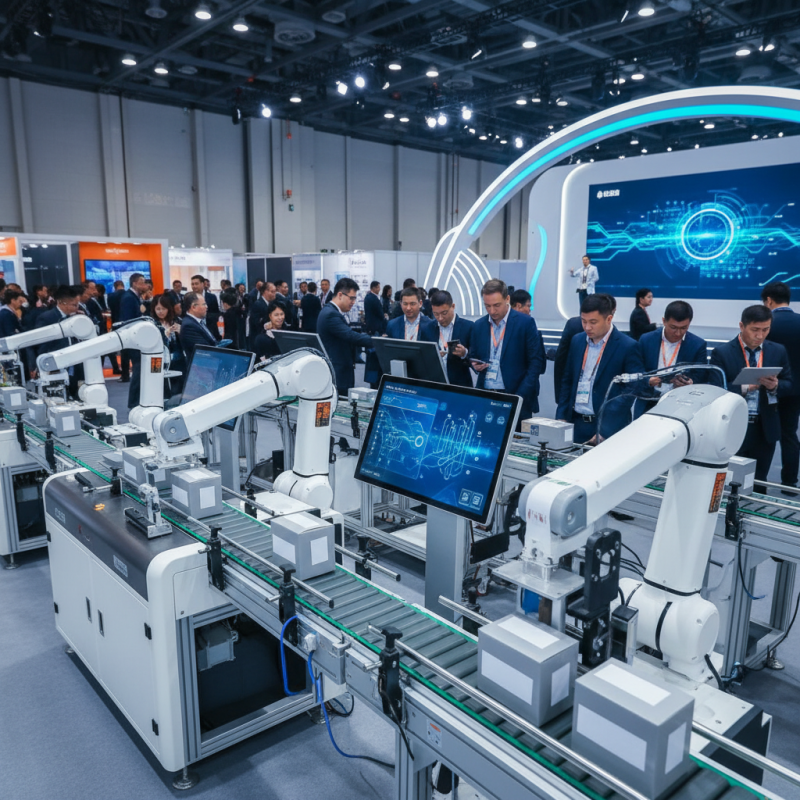
At the upcoming 139th Canton Fair in 2026, innovative packaging solutions will take center stage. With AI-driven tools for vendor selection, businesses can discover solutions that meet their specific needs. This integration of technology showcases the potential of Automatic Packaging and Labeling Equipment to transform supply chain dynamics. Yet, as we embrace innovation, we must reflect on how to balance automation with the human touch in operations.
Emergence of Automatic Packaging and Labeling Equipment in Supply Chains
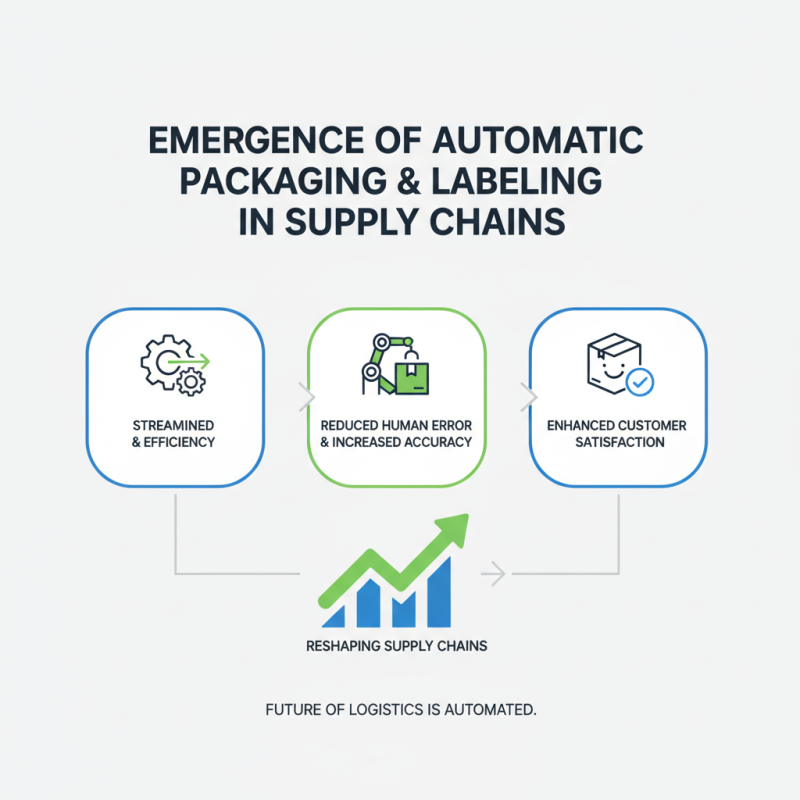
The rise of automatic packaging and labeling equipment is reshaping supply chains. Companies seek efficiency. These machines streamline processes. They reduce human error. Accuracy in labeling is crucial. Mistakes can lead to customer dissatisfaction.
With technology's growth, options expand. From simple labelers to complex packaging systems, choices are vast. Businesses must assess their needs carefully. Different scales demand different solutions. Investing in the right equipment is essential for long-term success.
**Tips:** Always consider future growth. A system that works today might not fit tomorrow. Evaluate your production speed. Slow machinery can hold back progress. Involve staff in decision-making. Their on-ground experience offers valuable insights.
Key Features of Top Automatic Packaging Machines for Efficiency
Efficient supply chains rely heavily on automatic packaging and labeling machines. These machines streamline operations, reduce labor costs, and improve accuracy. According to a recent industry report, companies that adopted automatic packaging solutions saw a 25% increase in productivity. This efficiency can be attributed to key features that enhance performance.
One important feature is speed. Many top machines can complete over 100 packs per minute. This capability meets the demands of high-volume production. Another crucial aspect is versatility. Equipment that handles various packaging types, such as pouches or cartons, appeals to diverse business needs. Additionally, adjustable settings allow for quick product changes, limiting downtime during production shifts.
However, not all machines are equally effective. Some lack advanced technology for tracking inventory or quality control. In a fast-paced market, this can lead to waste and increased costs. The necessity for regular maintenance also can't be ignored. Neglect can result in unexpected downtime. A focus on the right features and ongoing evaluation of equipment performance yields better outcomes for supply chains.
International Standards and Regulations Impacting Packaging Equipment
In the packaging industry, compliance with international standards is crucial. These standards dictate how equipment must operate to ensure safety and quality. Companies often need to navigate complex regulations, which can vary significantly between regions. Understanding these requirements is essential for efficient supply chain management.
Many businesses face challenges in keeping up with changing regulations. Packaging materials must meet specific environmental guidelines, and labeling must provide accurate information. For instance, some regions require clear recycling instructions. This can complicate the packaging process. Manufacturers must adapt quickly to avoid penalties or product recalls.
Additionally, international standards often introduce new technologies that can enhance efficiency. Automation in packaging can streamline production. However, integrating new systems is not always smooth. Companies may encounter issues during implementation. These obstacles can delay projects and increase costs. Therefore, careful planning is needed to align with regulations and improve efficiency.
Top Automatic Packaging and Labeling Equipment for Efficient Supply Chains
Comparative Analysis of Leading Brands in Packaging and Labeling
In today's fast-paced market, efficient packaging and labeling can streamline operations. Many companies struggle to choose the right equipment that suits their specific needs. Automatic packaging and labeling machines vary in speed and functionality. Some models focus on high output, while others provide flexibility for diverse product sizes.
Investing in the right equipment is crucial. Understanding the unique requirements of your supply chain allows for better decision-making. Evaluate features such as ease of use and maintenance. Regular training can also enhance team efficiency.
Think about the overall workflow. Poorly integrated systems can lead to delays. Opt for machines that can adapt as your business grows. Analyze the cost versus value. Sometimes, a cheaper option might lead to higher operational costs in the long run.
Future Trends in Automatic Packaging Technologies and Supply Chain Efficiency
The future of automatic packaging technologies is promising. With ongoing advancements, machines are becoming faster and smarter. They can adapt to various products with minimal downtime. Real-time data analytics enhance efficiency and reduce waste. This shift facilitates smoother operations in supply chains.
Labor shortages present a challenge. Businesses often struggle to find skilled workers who can operate complex machinery. Training employees can be time-consuming and costly. Yet, automation allows companies to maintain productivity and meet consumer demands. As the market evolves, integrating AI and machine learning into packaging may seem essential.
Nevertheless, companies must reflect on the balance between automation and human involvement. Over-reliance on machines could lead to vulnerabilities. Equipment failures can halt production, impacting supply chains negatively. Continuous monitoring and amenable systems are crucial for troubleshooting. Achieving an efficient supply chain is about combining technology with human insight.

 +86 15921716191
 Contact Phone
 Contact Email