Best Practices for Designing Labels For Bottles in China
In China’s rapidly growing beverage market, designing labels for bottles is crucial for brand recognition. According to a report by Statista, the Chinese beverage market is projected to reach a value of 1.2 trillion yuan by 2025, highlighting the importance of effective marketing strategies. Labels serve not just as identifiers but as powerful marketing tools that can influence consumer choices.
However, many brands overlook essential aspects when designing labels for bottles. They may focus too much on aesthetic appeal while neglecting regulatory compliance and consumer readability. According to a survey by Nielsen, about 60% of consumers notice labels before making a purchase. This statistic underscores the need for clarity and attractiveness in label design.
Additionally, cultural nuances play a significant role in label effectiveness in China. Misinterpretations can lead to brand damage and lost sales. Creating labels that resonate with local consumers requires a deep understanding of cultural symbols and values. As brands compete for attention, ensuring labels are designed thoughtfully is more crucial than ever.
Understanding Regulatory Requirements for Bottle Labels in China
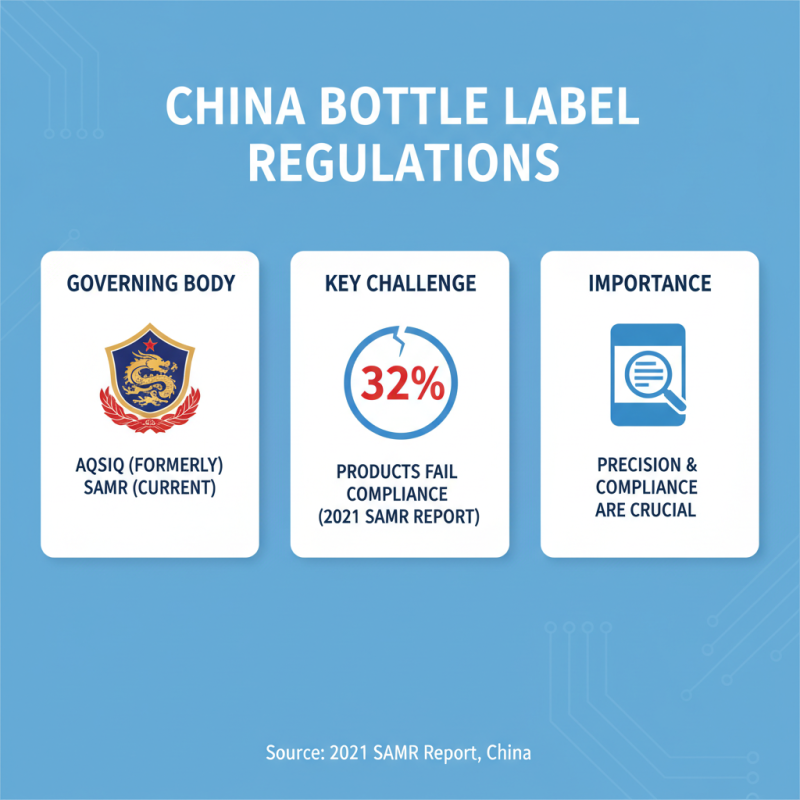
Designing labels for bottles in China requires a keen understanding of regulatory requirements. The country’s regulations are intricate. For instance, the General Administration of Quality Supervision, Inspection and Quarantine (AQSIQ) sets clear standards. According to a 2021 report by China’s State Administration for Market Regulation, 32% of products fail label compliance checks. This statistic highlights the importance of precision.
Each label must include specific elements such as ingredient lists, production dates, and safety information. All text must be in Mandarin. The Consumer Product Safety Commission indicates that improper labeling leads to significant safety risks. Failing to adhere to regulations can result in fines or product recalls.
Market research shows that 70% of consumers consider label information crucial in their purchasing decisions. Labels affect consumer trust and brand image. Still, many companies struggle with compliance. Some labels may appear cluttered due to regulatory requirements, complicating the design process. Achieving a balance between information and aesthetics is often challenging. Companies need ongoing education on evolving laws to avoid costly mistakes. Continuous reflection on compliance strategies can lead to improved label designs, ultimately enhancing consumer satisfaction.
Incorporating Cultural Elements in Label Design for Chinese Consumers
When designing labels for bottles aimed at Chinese consumers, understanding cultural elements is crucial. Colors carry deep meanings in Chinese culture. For instance, red symbolizes luck and joy, while white is associated with mourning. Utilizing these colors can create a strong emotional connection. Avoiding certain colors like black can also prevent unintended negative interpretations.
Incorporating traditional symbols and motifs can enhance appeal. Dragons, for example, signify power and strength. Floral designs like peonies represent wealth and good fortune. However, the use of these elements requires careful consideration. Too many symbols can clutter the design, making it less effective. Striking the right balance is essential to convey a clear message.
Typography matters significantly as well. The choice of font can influence perception. Classic Chinese characters can evoke authenticity, while modern typography might attract younger audiences. However, readability should never be compromised. If consumers struggle to read the label, they might overlook the product entirely. Testing designs with actual consumers can lead to better insights and adjustments as needed.
Best Materials and Printing Techniques for Durable Labels in China
When designing labels for bottles in China, choosing the right materials is crucial. Polypropylene (PP) and vinyl are popular options due to their durability. These materials resist moisture, chemicals, and tearing. They are ideal for products that require long-term storage. Additionally, selecting a weatherproof adhesive ensures that labels remain intact in various environments.
Printing techniques also play a vital role. Flexographic printing offers high-speed output and vibrant colors, making it suitable for large quantities. Digital printing provides flexibility for smaller runs, allowing for quick design changes. However, the print quality must be consistent. Inadequate ink adherence can lead to fading over time, which is a concern for many brands.
Quality control is necessary throughout the process. Conducting tests under different conditions can reveal how labels perform. Some may find their labels peeling or smudging sooner than expected. Regular evaluations can prevent costly mistakes. By combining the right materials with effective printing techniques, brands can create labels that stand out and endure the test of time.
Best Practices for Designing Labels for Bottles in China
This bar chart illustrates the durability ratings of various label materials commonly used for bottle labeling in China. The ratings help manufacturers choose the best material based on their product’s needs, with Polyester and BOPP being the top performers.
Strategies for Effective Branding and Marketing on Bottle Labels
In the competitive market of China, designing effective bottle labels requires strategic thinking. It is essential to focus on clarity and simplicity. Clear fonts and straightforward graphics help consumers process information quickly. The use of colors should align with cultural connotations, evoking the right emotions. Avoid overwhelming designs. A balanced approach enhances brand recognition.
Imagery plays a crucial role in storytelling on labels. It connects with customers on an emotional level. Consider using local symbols or imagery that resonates with your target audience. However, be cautious. Overusing visuals can make a label confusing. Striking the right balance can be challenging but is necessary for effective branding.
Lastly, remember that labels are often the first interaction a consumer has with your product. Testing designs with real consumers provides valuable feedback. This process exposes potential flaws in your approach, prompting necessary adjustments. Embrace imperfections as part of improving your design. Engaging with consumers enhances reliability and builds brand trust over time.
Importance of Clear Product Information and Safety Instructions
In the competitive market of bottle design in China, clear product information is essential. Consumers need to understand what they are buying quickly. Safety instructions are particularly important, especially for food and health-related products. Confusing labels can lead to misuse or safety concerns, which may harm both the consumer and the brand.
Tips for effective labeling:
- Ensure your product name stands out. Use large, readable fonts.
- Include detailed instructions, but keep them concise.
- Avoid jargon; simple language works best.
- Highlight any allergens prominently.
- Visual aids can also help convey safety information. They bridge language gaps and improve understanding.
Designing labels requires continuous refinement. Perhaps your first label design was too cluttered. Revisit it to balance aesthetics and clarity. Experiment with layout and color schemes to find what resonates with your target audience. Test different designs to see which communicates safety best.
Feedback is crucial in this iterative process.

 +86 15921716191
 Contact Phone
 Contact Email