What is Global Packaging Machinery Manufacturers and Their Impact?
The global packaging machinery market is a vital aspect of industry growth and sustainability. As reported by the International Packaging Association, the market size was valued at over $45 billion in 2022, with a projected annual growth rate of 4.5%. This rise is driven by the increasing demand for packaged goods across various sectors, from food to pharmaceuticals.
Experts highlight the significance of Global Packaging Machinery Manufacturers in meeting these demands. John Smith, a renowned industry expert, stated, "Innovative machinery drives efficiency and sustainability in packaging." His insights reflect a crucial reality: the shift towards automation and eco-friendly solutions is reshaping the landscape.
Yet, challenges remain. Many manufacturers struggle with adapting to rapid technological advances. This can lead to inefficiencies and increased operational costs. The need for modernization is evident, yet not all companies are prepared to meet these evolving standards. Balancing innovation with affordability demands careful consideration from manufacturers.
What is Global Packaging Machinery Manufacturing?
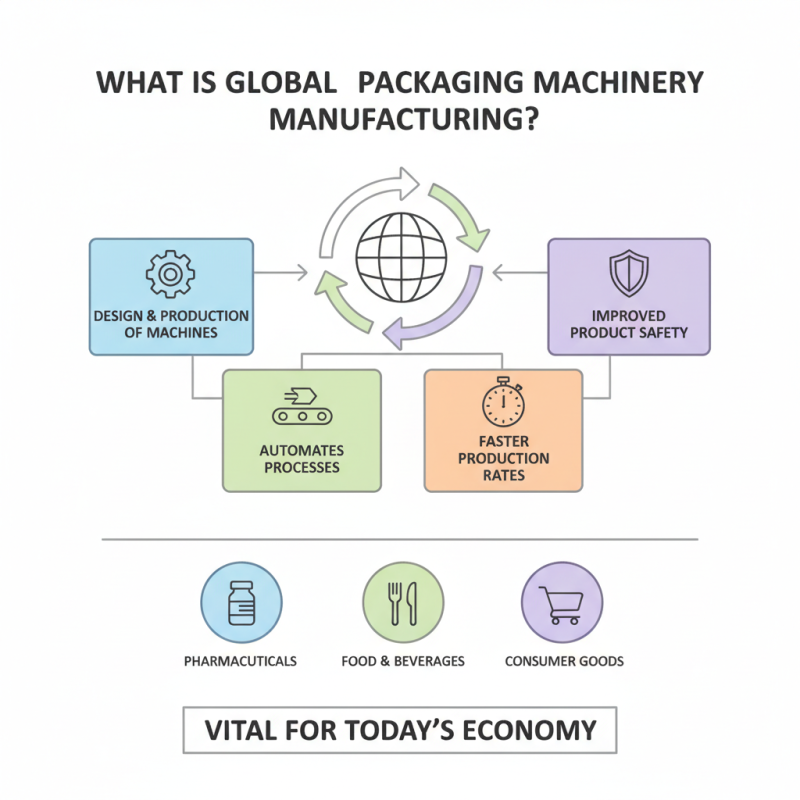
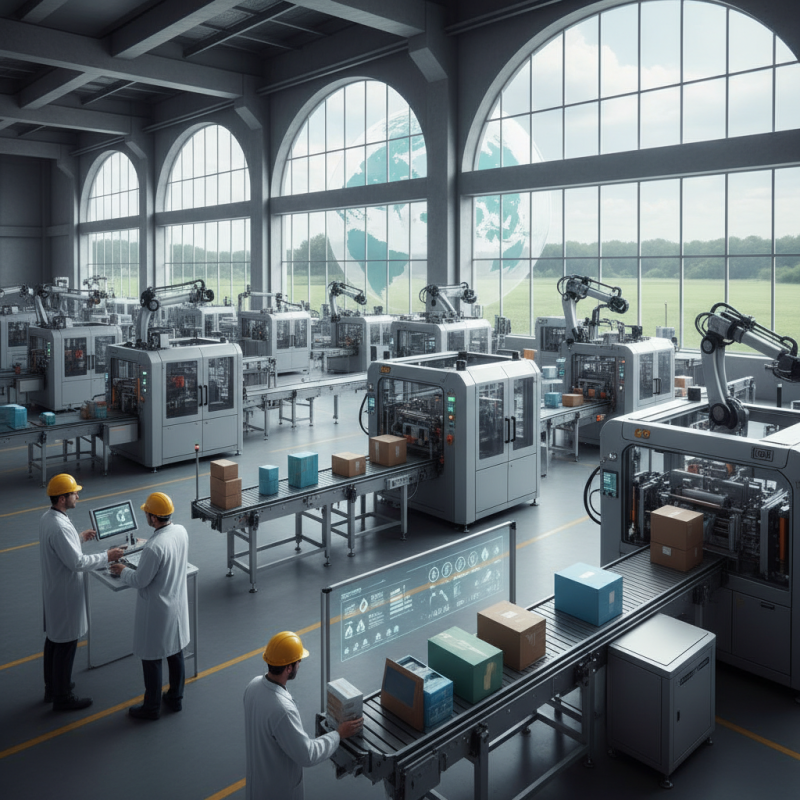
Global packaging machinery manufacturing plays a vital role in today’s economy. It encompasses the design and production of machines that package products across various industries. Pharmaceutical, food and beverage, and consumer goods all rely heavily on efficient packaging solutions. These machines automate processes, allowing for faster production rates and improved product safety.
However, this sector also faces challenges. Many manufacturers struggle with integrating new technologies. The rapid pace of innovation means that companies must frequently adapt. Sustainability is another pressing concern. More businesses are looking for eco-friendly packaging solutions, which can complicate machinery design. Despite these issues, the drive for efficiency and sustainability continues to grow.
As the global market evolves, manufacturers must remain vigilant. They need to address their shortcomings and invest in modern machinery. Continuous improvement is essential for staying competitive. Fostering innovation within the industry is crucial. Balancing cost, efficiency, and environmental impact will define the future of packaging machinery manufacturing.
Key Players in the Global Packaging Machinery Market
The global packaging machinery market is evolving rapidly. In 2022, the market was valued at approximately $40 billion. Experts project it will grow at a compound annual growth rate (CAGR) of 4% through 2030. This growth reflects a rising demand for automation and efficiency among manufacturers.
Key players in this market include companies specializing in food, pharmaceuticals, and consumer goods. Many of these manufacturers focus on innovative solutions that enhance productivity. For instance, the rise of e-commerce has pushed for advanced packaging technologies. High-speed machines that can handle diverse packaging formats are now essential. Concerns over sustainability also drive innovation. Companies are investing more in eco-friendly materials and processes.
Despite the advancements, challenges remain. Not all regions have access to cutting-edge technology. Smaller companies often struggle to keep up. There are gaps in training workers to operate complex machines. It's crucial for manufacturers to address these issues. Balancing growth with sustainability and workforce readiness will define the future of this industry.
Global Packaging Machinery Market Overview
| Region |
Market Size (USD Billion) |
Growth Rate (%) |
Key Technologies |
Application Areas |
| North America |
12.5 |
4.5 |
Robotics, Automation |
Food, Beverage, Pharmaceuticals |
| Europe |
15.3 |
3.8 |
Smart Packaging, IoT |
Cosmetics, Electronics |
| Asia-Pacific |
20.0 |
5.2 |
Flexible Packaging, Automation |
Food, Beverage, Healthcare |
| Latin America |
6.5 |
3.0 |
Robotics, Eco-friendly Materials |
Pharmaceuticals, Food |
| Middle East & Africa |
4.8 |
2.5 |
Automation, Digital Printing |
Consumer Goods, Chemicals |
Current Trends in Global Packaging Machinery Technology
The global packaging machinery industry is witnessing remarkable technological advancements.
Automation is a leading trend.
According to a recent report by Smithers Pira, the market for automated packaging solutions is projected to grow by 12% annually until 2025.
This rapid growth highlights a shift towards enhancing efficiency and reducing labor costs. Manufacturers are investing heavily in robotics and artificial intelligence to streamline operations.
Sustainability has also gained traction in packaging technology. A survey from Packaging Insights reveals that 70% of companies prioritize eco-friendly materials.
Many organizations are now adopting compostable and recyclable options. This trend emphasizes the industry's responsibility towards environmental stewardship.
However, challenges in sourcing these materials persist. Some companies struggle with the balance between cost and sustainability.
Moreover, smart packaging technology is emerging. This involves the use of sensors and IoT devices for monitoring product conditions.
A report by Grand View Research states that the smart packaging market is expected to reach $37 billion by 2026.
Yet, integration can be complex. Companies must evaluate the benefits versus the difficulties in implementation.
That said, the shift toward advanced technology is clear. The global packaging landscape is evolving rapidly, driven by both automation and sustainability.
Impact of Packaging Machinery on Supply Chain Efficiency
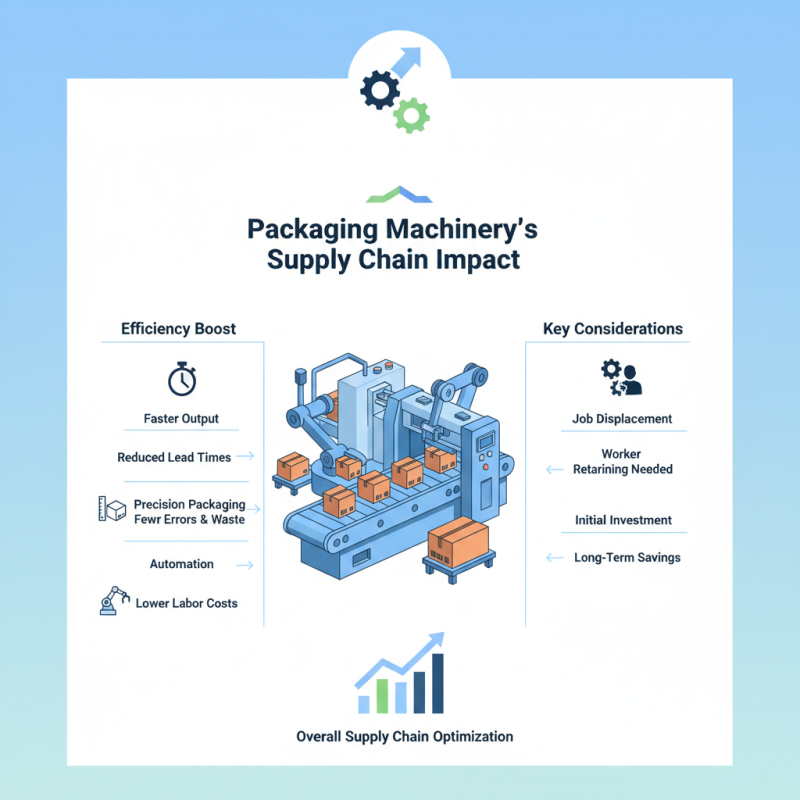
Packaging machinery plays a crucial role in the supply chain. It streamlines operations, enhancing efficiency. When products are packaged quickly and accurately, the entire process benefits. With improved automation, labor costs decrease significantly. However, this transition might lead to job losses, creating a need for worker retraining.
In many industries, packaging delays can cause bottlenecks. That’s where machinery becomes essential. Automated systems can respond to fluctuating demand levels swiftly. This flexibility is vital in today’s fast-paced market. Companies that invest in advanced packaging machinery often see notable improvements in their production timelines.
Yet, there are challenges. Integrating new machinery can disrupt current workflows. Staff may resist changes, fearing the unknown. It’s important for management to communicate the benefits clearly. Finding the right balance between efficiency and employee satisfaction is key. Additionally, maintenance of these machines requires ongoing attention. Equipment failures can halt production, leading to frustration and inefficiency.
Sustainability Challenges and Innovations in Packaging Machinery
The packaging machinery industry is facing significant sustainability challenges. Many processes rely heavily on materials that negatively impact the environment. For example, traditional plastic packaging contributes to pollution and waste. This creates a pressing need for more eco-friendly solutions.
Innovations are emerging as companies rethink their approaches. Some manufacturers are developing machines that use biodegradable materials. These machines are designed to reduce waste and lower the carbon footprint. However, the transition is not flawless. Finding reliable sources for sustainable materials can be tricky. The costs may also deter smaller companies from making the switch.
The industry's path to sustainability is not linear. While new technologies show promise, they often require extensive research and investment. Additionally, education on sustainable practices remains uneven across the sector. Packaging machinery manufacturers must continually adapt and innovate to meet both market demands and environmental responsibilities.
Global Packaging Machinery Manufacturers Impact on Sustainability
This chart illustrates the challenges and innovations faced by global packaging machinery manufacturers regarding sustainability. The data indicates the focus areas such as sustainable materials, energy efficiency, recyclability, waste reduction, and innovation in design, showcasing their significance in improving packaging practices.

 +86 15921716191
 Contact Phone
 Contact Email