10 Essential Tips for Choosing High-Speed Automatic Label Applicators?
Choosing the right High-Speed Automatic Label Applicators can be challenging. Industry expert Dr. Sarah Johnson emphasizes, "The right applicator can drastically improve efficiency." In an environment with increasing demand for speed and accuracy, selecting the best equipment is crucial.
Many companies struggle with this decision, often focusing only on price. However, quality and reliability should not be overlooked. High-Speed Automatic Label Applicators must meet specific operational needs. Understanding these requirements is essential for successful implementation.
Issues often arise from improper research. Users may find themselves with machines that don't fit their production lines. It’s vital to consider factors like speed, throughput, and label types. Companies should also reflect on their long-term goals. In the end, the right choices can lead to significant operational improvements.
Understanding Your Labeling Needs and Objectives
When choosing a high-speed automatic label applicator, understanding your labeling needs is crucial.
Consider the type of products you will be labeling. Are they small or large? Will the labels be complex or simple? Each product type can dramatically affect your choice of applicator.
Analyzing your current labeling challenges is vital. Do frequent misalignments occur? Are you dealing with high volumes? These factors should guide your decision-making process.
Additionally, think about your objectives. Are you aiming for speed, accuracy, or versatility? If speed is your priority, you’ll need a machine designed for rapid output.
However, prioritizing speed can sometimes lead to errors. Adjusting your expectations might be necessary. Beyond speed, accuracy cannot be compromised.
Labels that misalign can lead to product recalls or dissatisfaction. Therefore, finding a balance between these factors is essential.
Aim to evaluate models based on real-world performance, not just specifications. Real feedback from current users can provide invaluable insights into potential shortcomings.
Key Features to Look for in High-Speed Label Applicators
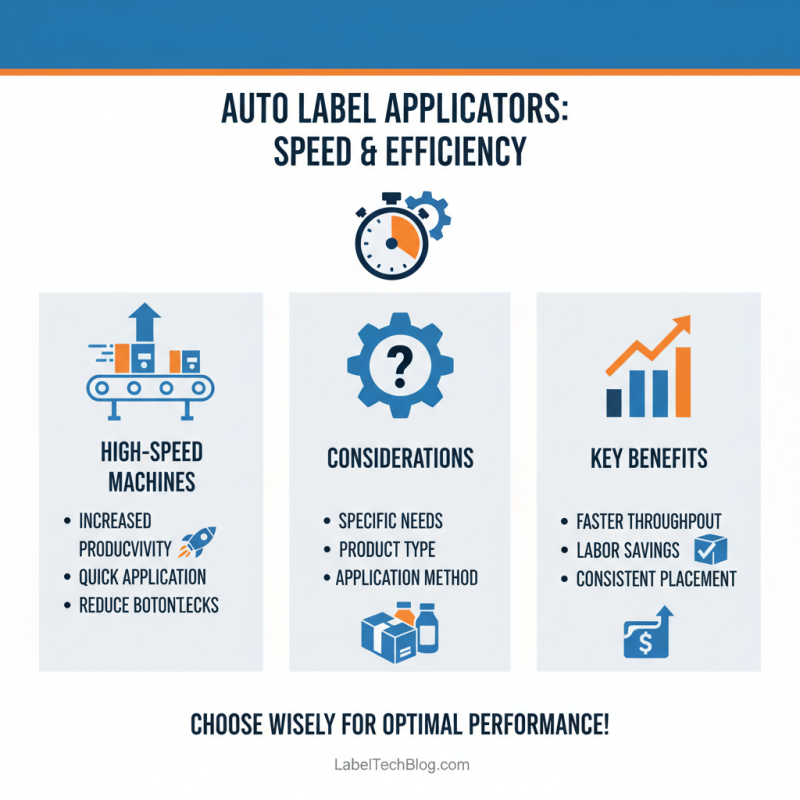
When selecting high-speed automatic label applicators, understanding key features is crucial. One important aspect is speed. High-speed models can apply labels at rates exceeding 300 units per minute. It significantly boosts production efficiency. For companies with high throughput, speed is a game-changer.
Accuracy also plays a vital role. Research shows that mislabeling can lead to costly recalls and compliance issues. Look for applicators with precise alignment features. Some models come equipped with sensors that ensure correct label placement, reducing errors. Ensuring that labels stick properly after application is equally important.
Consider the versatility of the applicator. The ability to handle various label sizes and materials can save time and costs. Systems that easily switch between product types improve flexibility on production lines. One tip: Evaluate how often the applicator needs maintenance. Frequent downtime impacts productivity adversely. Ultimately, balancing features with real-world applications leads to better choices.
Assessing Compatibility with Your Production Line
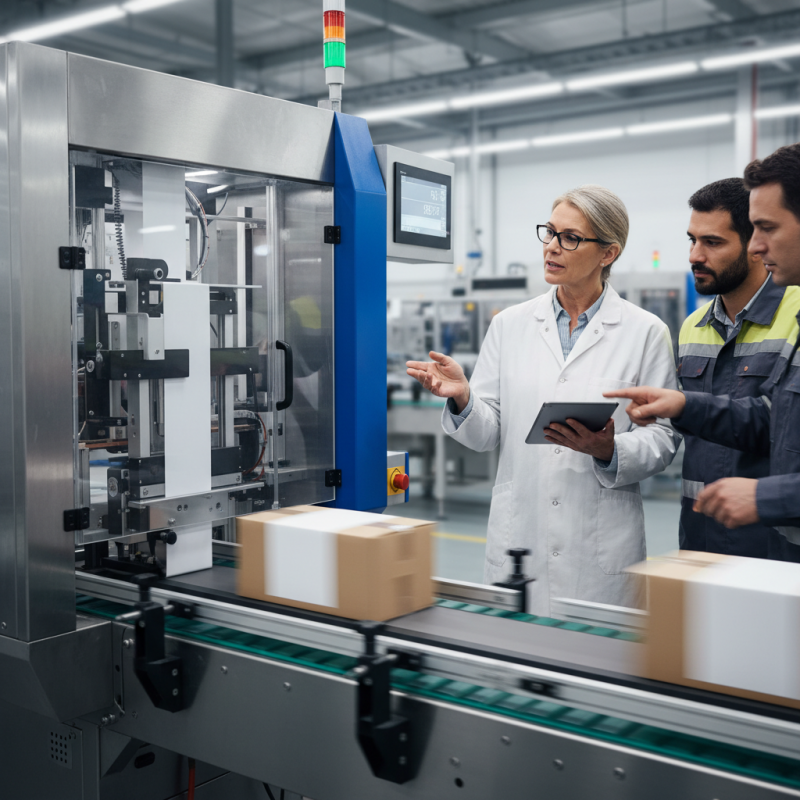
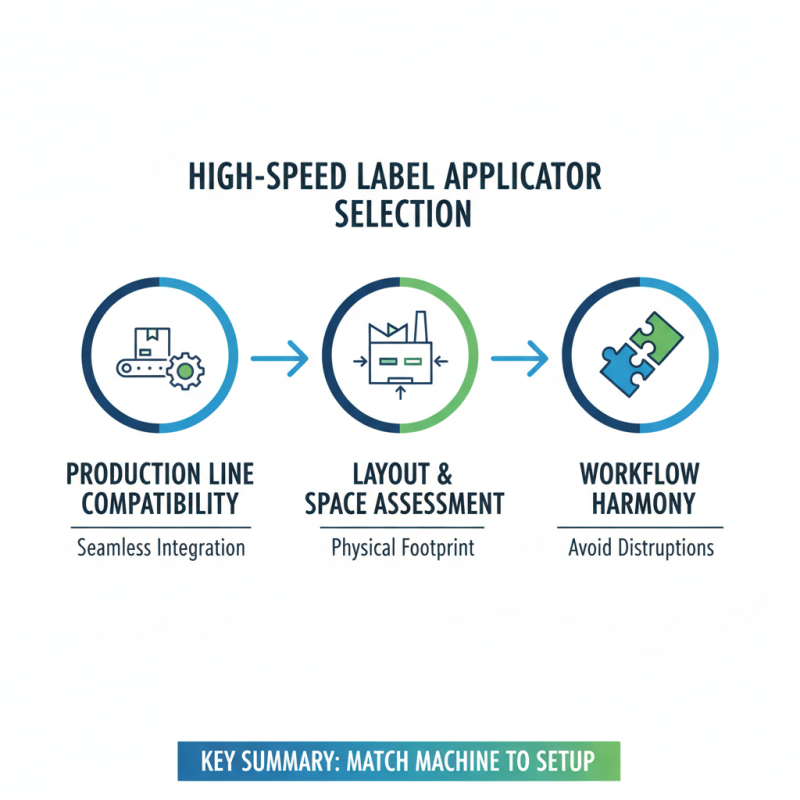
When selecting a high-speed automatic label applicator, assessing compatibility with your production line is crucial. This ensures that the machine integrates smoothly into your existing setup. Start by examining the layout of your production area. The space available can greatly impact the size and type of applicator you choose. A machine that is too large might disrupt your workflow.
Next, consider the speed of your production line. You want an applicator that can keep pace with your output. If your current line runs at high speeds, an applicator with a slower rate will create bottlenecks. Be clear about your labeling needs. Different products may require various labeling styles. An applicator must handle these requirements without compromising efficiency.
Tip: Look for flexibly designed applicators that can adjust to different label sizes. This feature can save time when changing label designs. Another important aspect is your team’s skills. Will your staff require extensive training to operate the new equipment? Sometimes, complex machines lead to delays if operators are not fully trained. Investing in a user-friendly interface can mitigate this challenge, enhancing overall productivity. Evaluate these factors carefully to make an informed decision on your label applicator.
Budget Considerations and Long-term Investment in Labeling Technology
When investing in high-speed automatic label applicators, budget considerations are key. Many companies focus solely on the initial purchase cost. However, long-term investment often leads to substantial savings. According to industry reports, proper labeling technology can reduce labor costs by up to 30%. This reduction adds up quickly over several years. Choosing the right applicator can mean lower operational costs and increased efficiency.
The upfront price might seem appealing, but consider ongoing maintenance and potential downtime. A low-cost model may need frequent repairs. In contrast, a higher-quality applicator may come with a greater initial cost but will likely have fewer issues. Data shows that companies with efficient labeling systems see a 15% increase in production speed. This means more products out the door, benefiting your bottom line.
Many businesses overlook the importance of scalability. As production demands grow, will the equipment keep pace? An investment in adaptable technology can safeguard against future expenses. Industry experts warn that sticking with outdated machines can lead to higher costs. An upgrade may seem daunting, but it's often necessary for sustained growth and profitability.

 +86 15921716191
 Contact Phone
 Contact Email