Leave Your Message

How to Choose the Right Industrial Automation Equipment?

Selecting the right Industrial Automation Equipment can be a complex task. It requires thoughtful consideration of various factors. This equipment is crucial for optimizing production and enhancing efficiency in manufacturing processes.

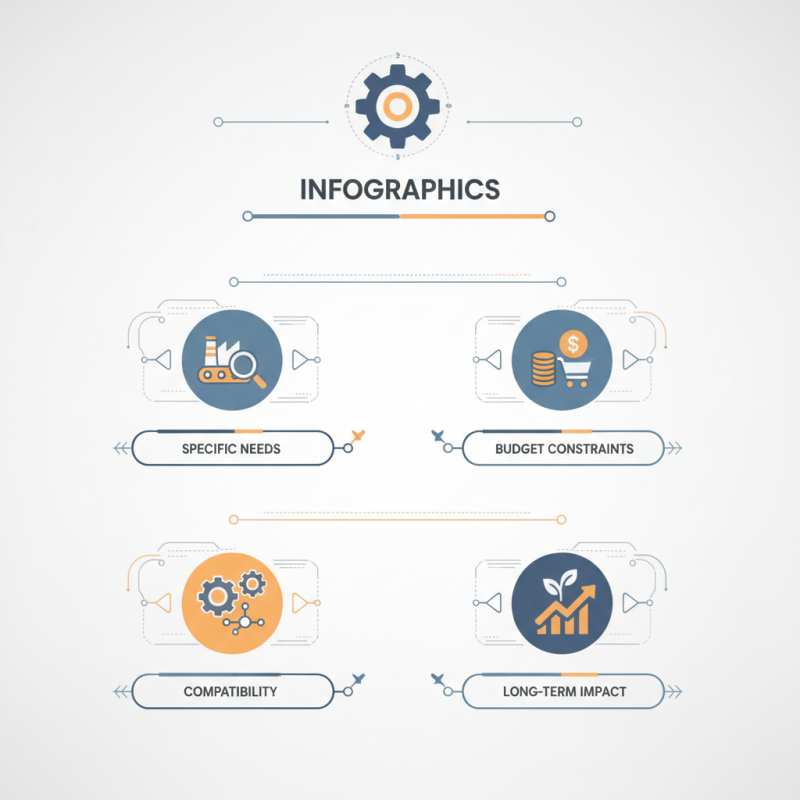
When choosing, one must evaluate the specific needs of the operation. What type of machinery is needed for the tasks? Each piece of equipment has its own capabilities. A mismatch can lead to unnecessary frustrations. Moreover, budget constraints are always a consideration. Expensive does not always mean better.

Compatibility with existing systems is another essential factor. Outdated equipment can cause integration issues. Companies often overlook this but it is critical. Reflecting on the long-term impact is necessary. Selecting the right Industrial Automation Equipment is not just a choice; it's an investment in future growth.
How to Choose the Right Industrial Automation Equipment?

Understanding the Basics of Industrial Automation Equipment

How to Choose the Right Industrial Automation Equipment?

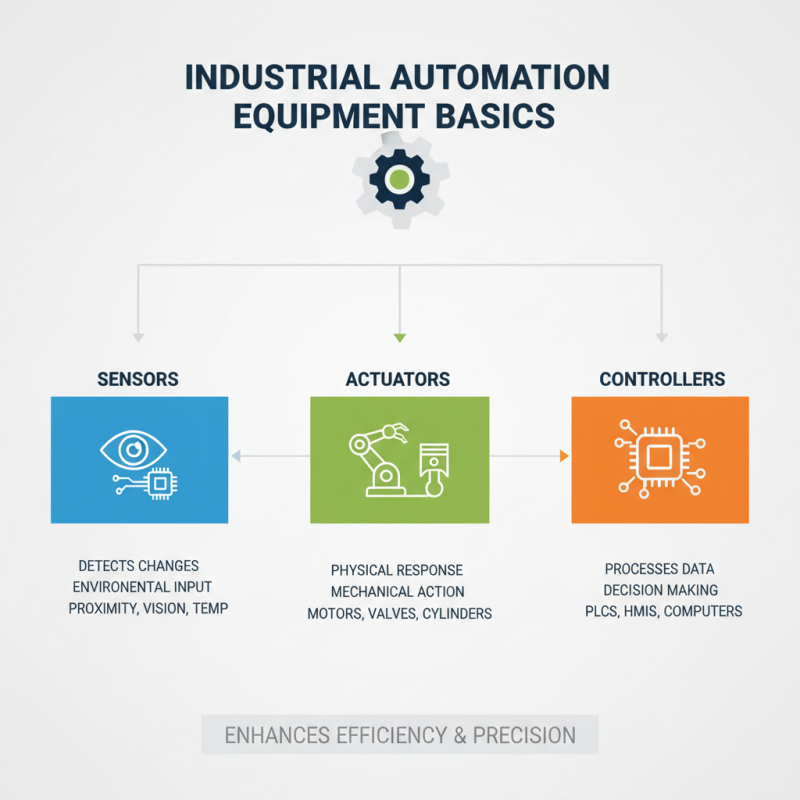
When venturing into industrial automation, understanding the basics is essential. Industrial automation equipment includes various components like sensors, actuators, and controllers. Each plays a specific role in streamlining operations. Sensors detect changes in the environment, while actuators carry out responses. Controllers process data and make decisions. This equipment collectively enhances efficiency and precision in manufacturing processes.

Choosing the right equipment can be daunting. Often, individuals may overlook the compatibility between systems. An ill-matched sensor and controller can lead to poor performance. It's crucial to consider the scale of operations too. A small workshop may need different solutions than a large factory. Also, budget constraints often complicate decisions. Investing in high-quality equipment is important, yet affordability cannot be ignored. Reflecting on past purchases can guide future choices. What worked well? What didn't?

Moreover, technology is always evolving. Keeping pace with innovations can be tricky. New features may promise great results but may not fit existing frameworks. Understanding the basic functionalities becomes necessary for making informed choices. Regular training for staff about the equipment can also be beneficial. It encourages better usage and maximizes potential. Adapting to changes in technology can sometimes fade into the background. That’s a crucial point to ponder.


Identifying Specific Needs for Automation in Your Industry

Identifying specific needs for automation in your industry is a critical step. Start by assessing your current processes. Look for repetitive tasks that consume valuable time. Can these tasks be streamlined? In many cases, yes. Manual operations might lead to errors. Automating these can enhance accuracy and efficiency.

Next, engage with your team. Gather insights from different departments about their challenges. Employees often know where the bottlenecks lie. A logistical error could stem from outdated equipment, while quality control might need a boost. Understand the distinct needs of each area. Your goals should align with their feedback.

Consider your budget as well. Automation can be costly. Ensure you’re investing wisely. Sometimes, a simpler solution might work better. It’s not just about technology. Think about the training required for your staff. Will they adapt quickly? Automation is not a one-size-fits-all. Recognizing unique needs is essential for successful implementation.

Evaluating Key Features of Automation Equipment

When evaluating industrial automation equipment, focus on key features that align with your operational needs. The equipment should enhance productivity, which is often the primary goal of automation. According to a report by McKinsey, companies that adopt automation see a productivity increase of 20-25%. This statistic underscores the importance of selecting the right tools for your specific demands.

Consider the equipment's scalability. As your business grows, your automation solutions should adapt accordingly. Flexibility in design allows for easier integration with existing systems, which can sometimes pose challenges. A survey from Deloitte highlighted that 60% of companies struggled with integration due to incompatible technology. Exploring modular systems can mitigate these issues.

Another critical aspect is user-friendliness. A complex interface can hinder workflow rather than enhance it. An overly complicated system may lead to errors and inefficiencies. Data from Gartner indicates that up to 70% of workers feel frustrated when using complicated software. Thus, prioritize equipment that offers intuitive controls and better operator engagement. It's essential to strike a balance between advanced features and ease of use.

How to Choose the Right Industrial Automation Equipment? - Evaluating Key Features of Automation Equipment

Feature Description Importance Considerations
Scalability Ability to expand system capabilities as needed High Ensure future growth can be accommodated
Interoperability Compatibility with existing systems and devices Medium Check for standard communication protocols
Ease of Use User-friendly interface and operation High Training requirements and staff adaptability
Cost Efficiency Total cost of ownership including maintenance High Consider initial investment vs. long-term savings
Support and Maintenance Availability of technical support and services Medium Evaluate service level agreements

Comparing Different Automation Technologies and Solutions

When selecting industrial automation equipment, understanding different technologies is crucial. According to a recent industry report, more than 60% of companies have adopted robotics as part of their automation strategy. Robotics enhances precision and speed. However, the upfront cost can be significant. Many firms overlook the long-term maintenance costs that accompany advanced robotic systems.

In addition to robotics, another popular solution is programmable logic controllers (PLCs). Reports indicate that PLCs account for over 25% of the automation market. They offer flexibility and integration with existing systems. Yet, employees often require extensive training to use these systems effectively. This can lead to operational delays.

Furthermore, cloud-based automation solutions are gaining traction. A study found that cloud automation solutions have increased by 35% in the last few years. These systems allow for remote monitoring and data analysis. However, reliance on the internet raises concerns about data security. Companies must weigh these risks carefully. The balance of costs versus benefits is not always clear-cut.

Considering Budget and ROI for Automation Investments

How to Choose the Right Industrial Automation Equipment?

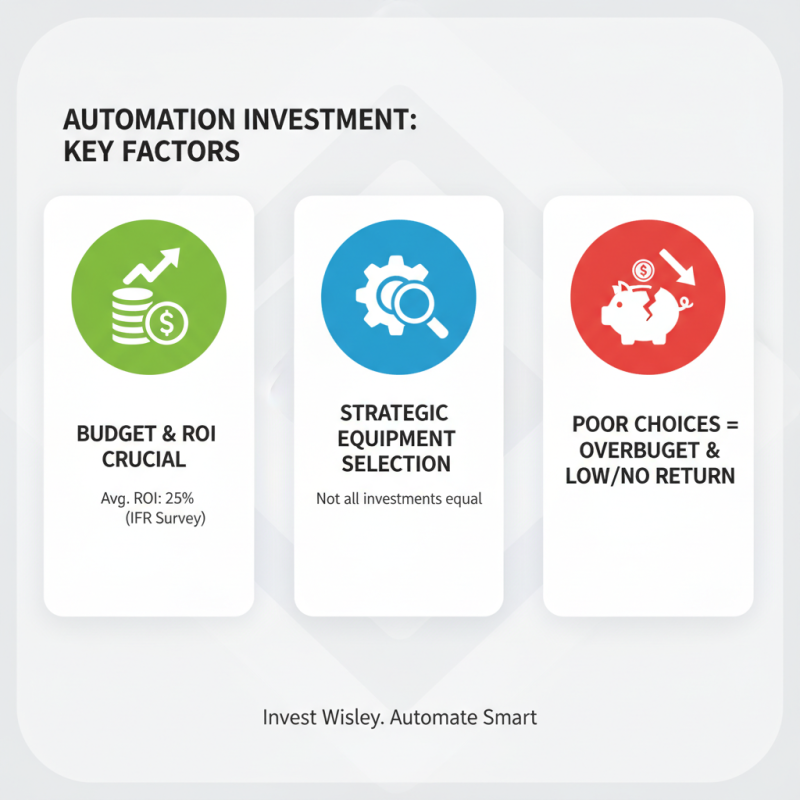
When considering automation investments, budget and ROI are crucial factors. A recent survey by the International Federation of Robotics (IFR) revealed that companies see an average ROI of 25% from automation. However, not all investments yield equal returns. Poorly chosen equipment can exceed budgets without providing long-term benefits.

Tip: Assess your specific needs. Identify the tasks that automation can enhance. This helps to avoid overspending on unnecessary features.

While investing, evaluate total costs, not just initial prices. Installation, maintenance, and training play significant roles. According to the McKinsey Global Institute, businesses can enhance productivity by 30% through efficient automation. Yet, this transformative outcome demands calculated strategies.

Tip: Create a ROI model before purchasing. Factor in potential savings and increased productivity. This practice aids in visualizing long-term gains against upfront costs.

Balancing budget against potential returns involves risks. Automation is not always a direct pathway to success. Regularly revisiting investment strategies can provide clarity and improve decision-making. Embrace feedback from teams involved in the process for better choices.