Best Labeler Machine For Bottles to Boost Your Production?
In the fast-paced world of manufacturing, choosing the right equipment can significantly impact productivity. According to industry expert John Mitchell, a leading engineer in labeling technology, “The right Labeler Machine For Bottles can streamline operations and enhance product appeal.” His words underscore the importance of efficient labeling systems in bottle production.
Labeling is often underestimated. However, it plays a crucial role in branding and compliance. A reliable Labeler Machine For Bottles can minimize errors and increase output. Many businesses struggle with outdated models that fail to meet their needs. This not only hampers production but can also lead to wasted materials and time.
Investing in an advanced Labeler Machine For Bottles is essential for growth. However, selecting the best one can be challenging. Companies must assess their specific requirements. This could mean balancing speed with accuracy. Moreover, understanding the technology landscape is vital. Not all machines are created equal; therefore, careful consideration is necessary. Exploring expert insights is beneficial, yet many often overlook this step.
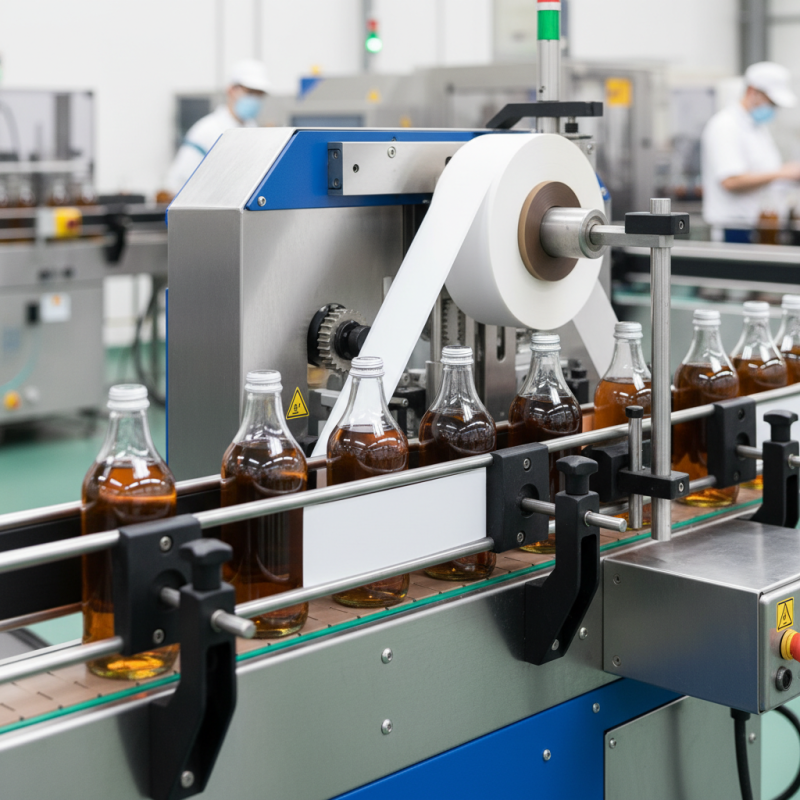
Choosing the Right Labeler Machine for Bottles in Your Production Line
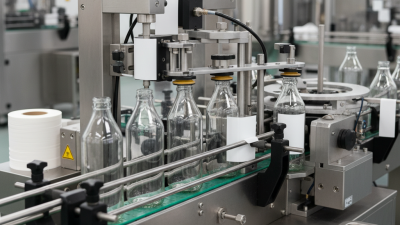
Choosing the right labeler machine for bottles
is crucial for any production line. A well-selected labeler can significantly enhance efficiency and reduce operational costs. According to a recent industry report, implementing advanced label automation can improve productivity by approximately 30%. This change not only speeds up the packaging process but also ensures uniformity in labeling, which is vital for brand consistency.
When selecting a labeler, consider the volume of production. Different machines cater to different capacities. Some can handle up to 200 bottles per minute, while others suit lower volumes. Assessing your production needs helps in avoiding costly mistakes. Furthermore, label precision is a critical factor. Experts note that mislabeling can lead to legal issues and customer dissatisfaction. Therefore, investing in a reliable machine is essential for maintaining quality.
Additionally, think about the types of bottles you use. Whether they are glass, plastic, or metal, the labeler should accommodate various shapes and sizes. Flexibility in labeling solutions can give your production line an edge. Not all machines meet these diverse needs effectively. Thus, research and industry insights play a vital role in making informed decisions.
Understanding Different Types of Labeler Machines Available for Bottles
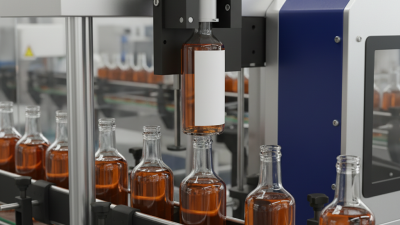
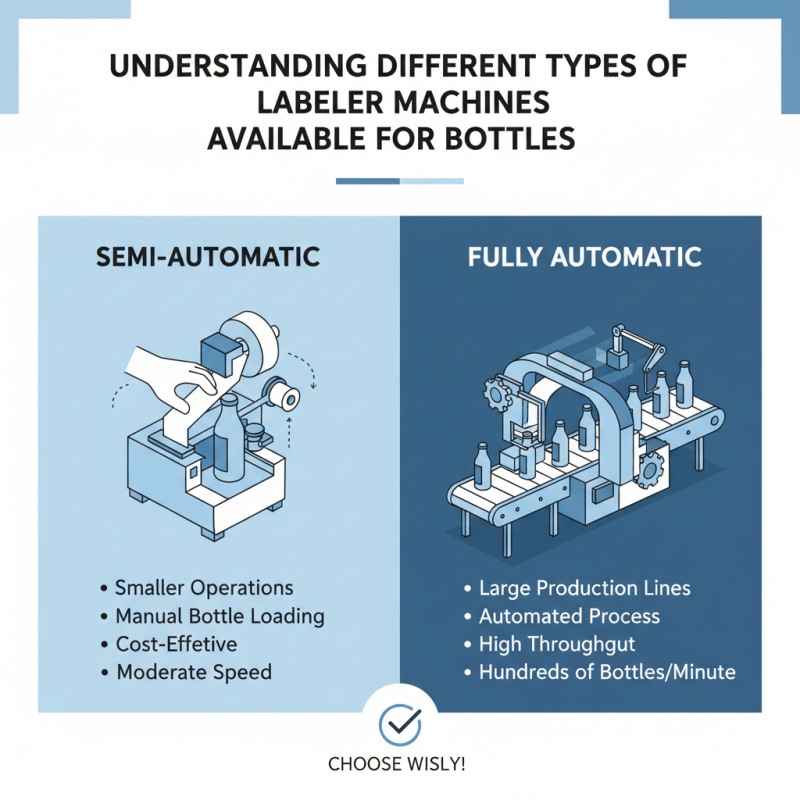
When selecting a labeler machine for bottles, understanding the various types is crucial. The market offers several options, including semi-automatic and fully automatic labelers. Semi-automatic machines often suit smaller operations, allowing for manual input while maintaining efficiency. In contrast, fully automatic systems cater to larger production lines, capable of labeling hundreds of bottles per minute.
According to industry reports, the global labeling machine market was valued at approximately $4.3 billion in 2022. A significant portion of this growth stems from the food and beverage sector, which relies on efficient labeling for compliance and branding. Automated labeling machines are increasingly adopted for their time-saving and accuracy benefits. However, initial investment costs can be substantial, forcing businesses to weigh cost against output.
Speed is not the only factor in choosing a labeler. The type of label material and adhesive properties significantly impact performance. Machines must handle various bottle shapes and sizes, posing unique challenges for each application. Some businesses experience difficulties in achieving consistent label placement, affecting overall product quality. As the market evolves, addressing these complexities will be key for companies seeking to enhance production capabilities.
Key Features to Look for in a High-Quality Bottle Labeler
Choosing the right labeler machine for your bottles can significantly enhance production efficiency. First, consider the speed and accuracy of the machine. Industry reports suggest that labelers can operate at speeds ranging from 20 to 300 bottles per minute. Machines that offer adjustable speeds are highly beneficial. They cater to different batch sizes, ensuring that you don’t waste time or resources.
Another vital aspect is the labeling precision. An accurate labeler minimizes the chances of mislabeling, which can lead to costly rework. Studies reveal that mislabeling can cost a manufacturer tens of thousands annually. Look for machines with advanced detection systems. They ensure that labels are applied correctly every time, enhancing overall product integrity.
Additionally, think about flexibility and ease of use. A machine that can handle various bottle shapes and sizes reduces downtime. Some models allow quick changeovers for different label types or sizes. However, not all machines offer this feature, leading to potential inefficiencies. Always weigh the pros and cons of each option. This will help identify the model that aligns well with your specific production needs.
Best Labeler Machine For Bottles to Boost Your Production? - Key Features to Look for in a High-Quality Bottle Labeler
| Feature |
Description |
Importance |
| Speed |
The number of labels applied per minute. |
High speed improves overall production efficiency. |
| Label Size Compatibility |
The range of label sizes the machine can handle. |
Versatility in sizes can accommodate various products. |
| Ease of Use |
How user-friendly the machine is for operators. |
Reduces training time and operational errors. |
| Durability |
The build quality and longevity of the machine. |
Long-lasting machines reduce replacement costs. |
| Automation Level |
Extent of automation available. |
Higher automation can save labor costs and time. |
| Maintenance Requirements |
Frequency and ease of maintenance needed. |
Lower maintenance needs improve uptime and efficiency. |
| Price |
Cost of the labeling machine. |
Budget constraints must be considered for business viability. |
Benefits of Using Labeler Machines to Enhance Production Efficiency
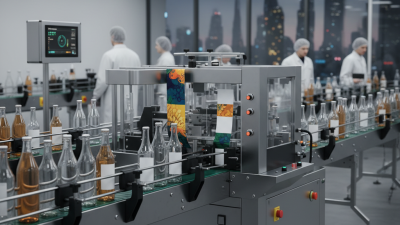
Labeler machines are essential tools in modern production lines. They streamline the labeling process, significantly enhancing operational efficiency. With automated labeling, bottling operations can greatly reduce bottlenecks, allowing for faster output. This efficiency can lead to lower labor costs and improved accuracy in product presentation.
Using these machines helps maintain consistency in label placement. An accurately labeled bottle not only enhances brand perception but also reduces the risk of human error. Different labeler machines cater to various bottle sizes and shapes, adapting to the changing demands of production lines. While investing in a labeler machine requires upfront capital, the long-term benefits often outweigh initial costs.
However, choosing the right machine can be challenging. Factors like compatibility, speed, and ease of use must be considered. Regular maintenance is vital to ensure optimal performance. Without proper care, machines can malfunction which may lead to production delays. Investing in user training also proves beneficial, as it helps prevent potential errors and misunderstandings during operation. Thus, a thoughtful approach to acquiring labeler machines is crucial for maximizing production efficiency.
Maintenance Tips for Keeping Your Bottle Labeling Machines Running Smoothly
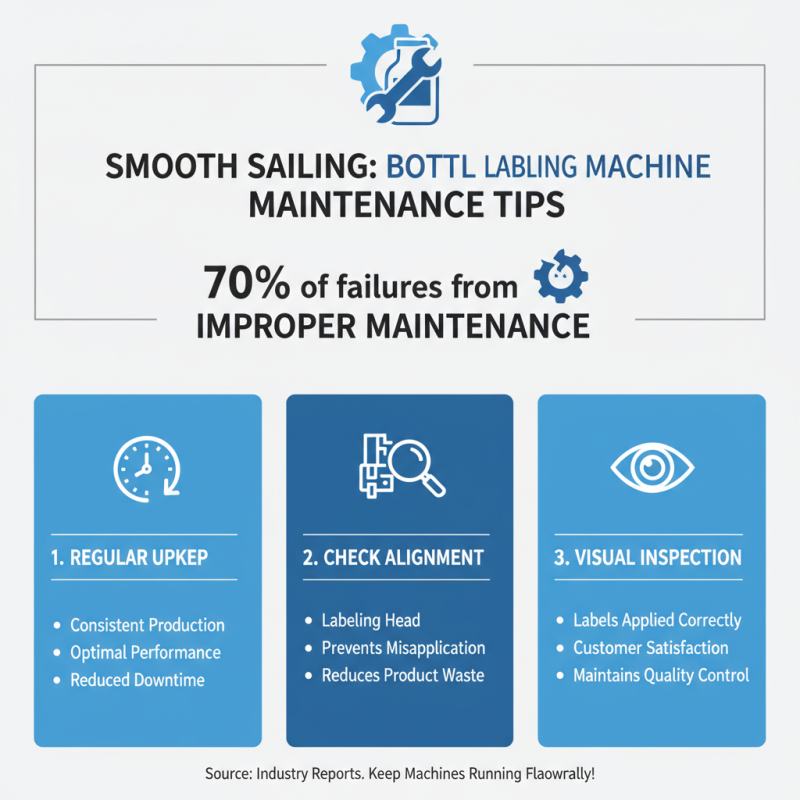
Maintaining bottle labeling machines is crucial for consistent production. Regular upkeep ensures optimal performance and reduces downtime. According to industry reports, 70% of labeling machine failures result from improper maintenance. Regularly check the labeling head for alignment. Misalignment can cause the labels to apply incorrectly, leading to product waste and consumer dissatisfaction.
Also, keeping the machine clean is essential. Residue from adhesives can buildup, affecting the labeling process. Schedule routine cleanings to remove any remnants. This simple action can extend the machine's life by up to 30%. Machines need to be lubricated as per the manufacturer's instructions. Lack of lubrication can lead to wear and tear, shortening their lifespan.
Tips: Always monitor the production speed. Adjusting it to the machine’s optimal rate can prevent jams. Look for unusual noises, which may indicate a problem. Addressing these issues early can maintain efficiency.
Incorporate training for operators too. A well-trained team can identify minor issues before they escalate. Regular training sessions can improve overall efficiency and reduce the chances of operational errors.

 +86 15921716191
 Contact Phone
 Contact Email