10 Best Automatic Weigh-Price Labelling Machines for Efficient Labeling Solutions?
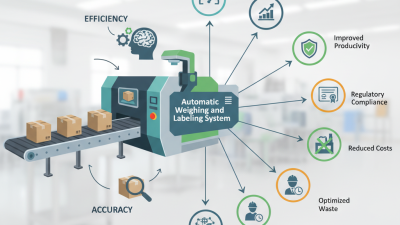
In the fast-paced world of retail, efficiency is key. Automatic Weigh-Price Labelling Machines play a crucial role in meeting this demand. According to industry reports, the global market for these machines is expected to grow by 6% annually. This growth is driven by the need for accurate pricing and improved operational efficiency. By automating the labelling process, businesses can minimize errors and save time.
The integration of technology enables seamless weight and price calculation. These machines can label products in seconds, enhancing productivity on the shop floor. However, not all solutions are created equal. Selecting the right machine requires careful consideration of specific needs. Some models might have limitations in speed or precision.
In addition, the initial investment can be substantial. Companies must weigh the long-term benefits against upfront costs to make informed decisions. Enhancing labelling efficiency is not just about buying the latest technology. It involves understanding how Automatic Weigh-Price Labelling Machines fit into a broader operational strategy. Thus, businesses must reflect on their unique circumstances for optimal results.
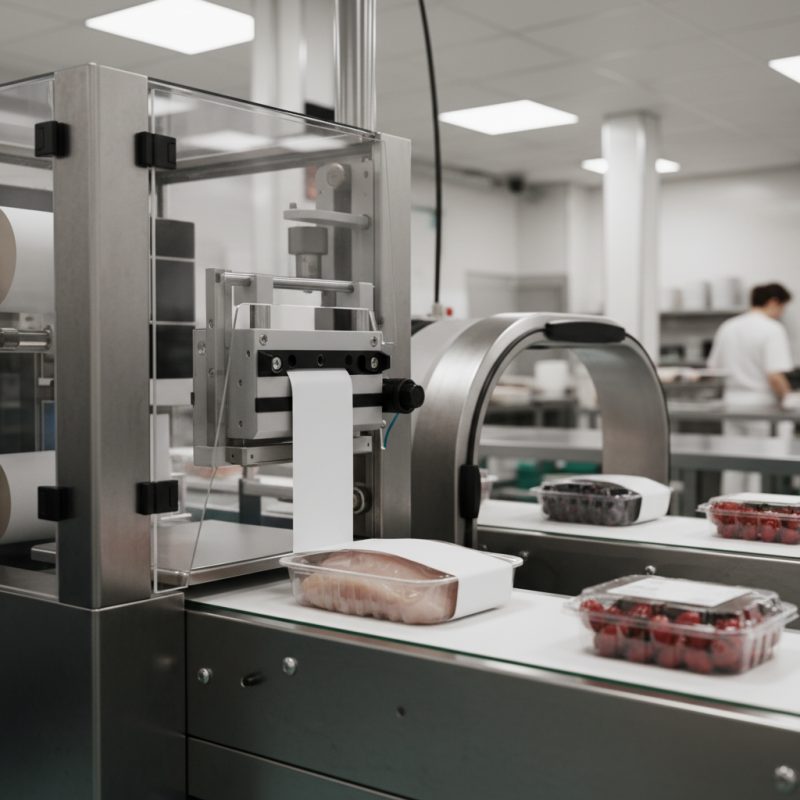
Overview of Automatic Weigh-Price Labelling Machines
Automatic weigh-price labelling machines have transformed product labeling in various industries. These machines accurately weigh products and automatically print labels with pricing information. Recent industry reports suggest that the global market for such machines is expected to grow significantly, driven by the demand for efficiency in packaging lines.
Many businesses face challenges selecting the right machine for their needs. It's essential to consider the machine's speed, accuracy, and ease of operation. Reports indicate that systems with higher accuracy can reduce product returns by minimizing labeling errors. Additionally, investing in machines with advanced technology can improve label printing speed by up to 25%, enhancing overall productivity.
Tips for choosing the right machine include understanding your labeling volume and weight range. Evaluate the ease of maintenance as well. Some machines require more downtime for cleaning and adjustments. Consider the level of training needed for your staff too. A well-trained team can maximize the benefits of these machines, leading to better ROI. Always reflect on the balance between cost savings and potential downtime caused by poor machine choices. It's a critical decision that impacts efficiency and accuracy, so thorough research is essential.
Key Features to Consider When Choosing a Labelling Machine
When choosing an automatic weigh-price labeling machine, several features are crucial.
Speed matters. A machine that can quickly apply labels improves productivity. Check the labeling speed and compare it with your production needs. Sometimes, a machine may advertise fast speeds but yields inconsistent labels.
Consistency is key. You don’t want to waste time fixing errors.
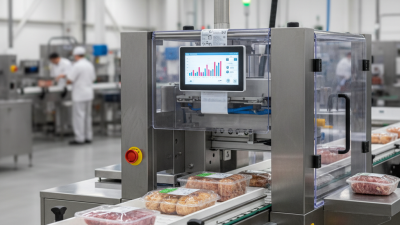
Accuracy is vital as well. The machine should provide precise measurements. Inaccuracies can lead to financial losses or customer dissatisfaction. Look for models with digital displays. They can help monitor weight and pricing in real-time. Some machines might lack this feature, making them less reliable.
Tips: Always consider the machine's compatibility with various label sizes. Some machines struggle with smaller labels or require frequent adjustments. Take time to assess user reviews or seek expert opinions. User experience provides valuable insights into the machine's daily performance.
Prioritize those insights when making your choice. This can save you from costly mistakes in the long term.
Top 10 Automatic Weigh-Price Labelling Machines Reviewed
When considering automatic weigh-price labelling machines, efficiency is crucial. Recent industry reports indicate that businesses can reduce labelling time by up to 40% with the right equipment. These machines streamline the process, ensuring accurate weight measurement and pricing on products. Precision in these tasks directly influences customer satisfaction and inventory management.
The effectiveness of these machines lies in their advanced technology. For instance, many models incorporate dynamic weighing systems that adapt to product variations. A report from a leading industry analyst highlighted that incorporating automation increases labeling accuracy to 99.5%. However, the transition to automated systems isn't always smooth. Some operators struggle with adapting to new workflows or training staff adequately.
Investing in labelling technology is vital for the future of retail businesses. Data shows that nearly 70% of companies who adopted these machines observed a marked improvement in operational efficiency. Yet, some businesses find it hard to justify the initial costs. It is important to weigh the long-term benefits against the upfront investment. This balance often requires careful consideration and reflection on specific business needs.
10 Best Automatic Weigh-Price Labelling Machines for Efficient Labeling Solutions
| Model |
Weight Capacity (kg) |
Label Speed (labels/min) |
Display Type |
Connectivity Options |
Price Range ($) |
| Model A |
15 |
30 |
LCD |
USB, Ethernet |
500 - 700 |
| Model B |
20 |
25 |
LED |
Bluetooth |
600 - 800 |
| Model C |
10 |
40 |
LCD |
USB |
300 - 500 |
| Model D |
25 |
20 |
LED |
Wi-Fi |
700 - 900 |
| Model E |
30 |
15 |
LCD |
Ethernet, Bluetooth |
800 - 1000 |
| Model F |
5 |
50 |
LED |
USB |
200 - 400 |
| Model G |
18 |
35 |
LCD |
Ethernet |
600 - 700 |
| Model H |
12 |
45 |
LED |
Bluetooth, USB |
400 - 600 |
| Model I |
22 |
22 |
LCD |
Ethernet |
650 - 850 |
| Model J |
28 |
18 |
LED |
USB, Wi-Fi |
750 - 950 |
Benefits of Using Automatic Weigh-Price Labelling Machines
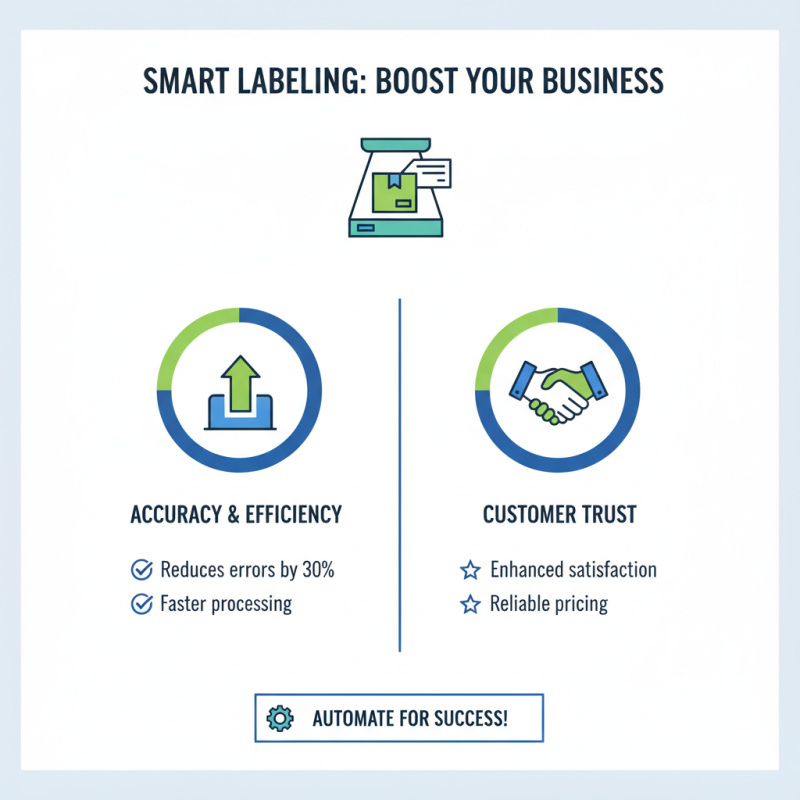
Automatic weigh-price labelling machines streamline the labelling process in various industries. These machines ensure accuracy and efficiency, essential in today’s fast-paced market. According to recent industry reports, businesses can reduce labelling errors by up to 30% with automation. This improvement enhances customer trust and overall satisfaction.
Utilizing these machines also cuts down on labor costs. A study found that companies saved an average of 25% on labour expenses after implementing automated systems. This not only allows staff to focus on more critical tasks but also improves workplace morale. However, fluctuating software needs can pose challenges. Companies may occasionally face difficulties in adapting their operations to new technologies.
Time savings are another benefit. Automatic labelling can process labels in less than half the time compared to manual methods. Yet, many businesses struggle with initial setup and calibration. This may lead to some frustration and require additional training for staff. The potential for waste is more significant at first, as businesses adjust to the new systems. Nevertheless, the long-term gains typically outweigh these early setbacks.
Maintenance and Troubleshooting Tips for Labelling Machines
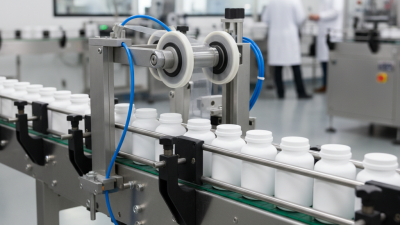
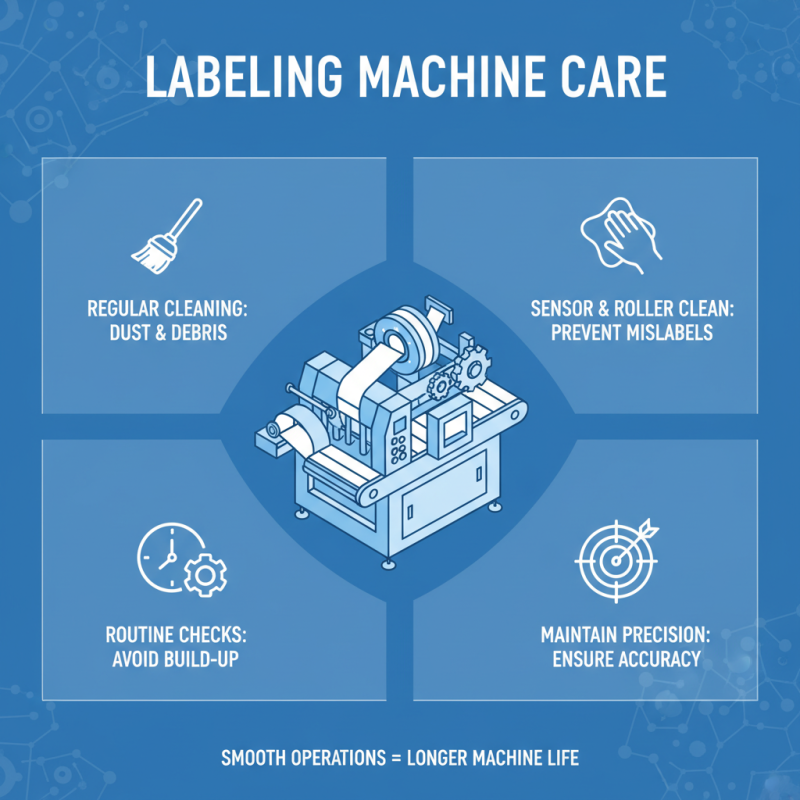
Labeling machines can be complex. Regular maintenance is key to ensuring they function smoothly. Check for dust and debris regularly. Clean the sensors and rollers to avoid mislabeling. Over time, dirt can build up, causing inaccuracies. Keeping the machine clean helps maintain precision.
When troubleshooting, monitor the machine's performance closely. Listen for unusual noises. They might signal a problem. If labels jam or misalign frequently, inspect the mechanisms. Sometimes, a simple adjustment can solve the issue. Don’t hesitate to consult the manuals.
Tips: Always keep spare parts handy. They can save time when repairs are needed. Test the machine after maintenance. Ensure everything is working fine. Having a routine can prevent larger issues down the line. Patience is critical; not every problem needs immediate action.

 +86 15921716191
 Contact Phone
 Contact Email