
Leave Your Message

Top 10 Benefits of Automatic Weighing and Labeling Systems for Businesses

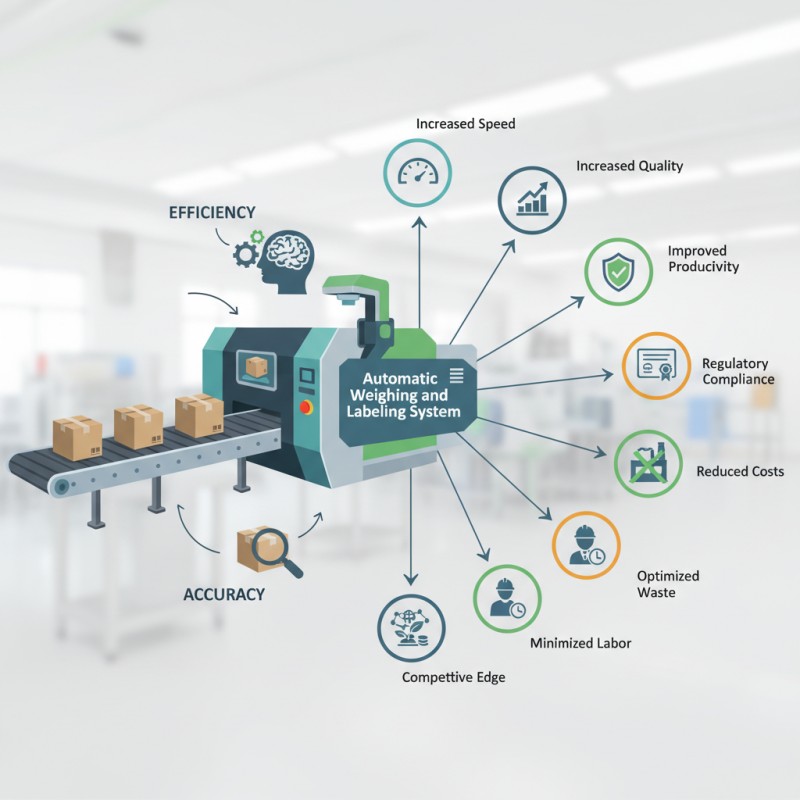
In today's fast-paced business environment, efficiency and accuracy are crucial for maintaining a competitive edge. One of the most innovative advancements in industrial processes is the implementation of Automatic Weighing and Labeling Systems. These systems not only streamline operations but also enhance productivity by automating tasks that were once labor-intensive and prone to human error. As businesses seek to optimize their workflows, the integration of automatic weighing and labeling technology has emerged as a game-changer across various industries.

The benefits of Automatic Weighing and Labeling Systems extend far beyond simple efficiency gains. By ensuring precise measurements and consistent labeling, businesses can significantly improve product quality and compliance with industry standards. Furthermore, these systems can help reduce operational costs by minimizing waste and labor expenses. As we delve into the top ten benefits of adopting Automatic Weighing and Labeling Systems, it becomes clear that such solutions are not just an upgrade to existing practices, but a transformative investment that can lead to remarkable improvements in overall business performance.
Top 10 Benefits of Automatic Weighing and Labeling Systems for Businesses

Understanding Automatic Weighing and Labeling Systems in Business

Top 10 Benefits of Automatic Weighing and Labeling Systems for Businesses

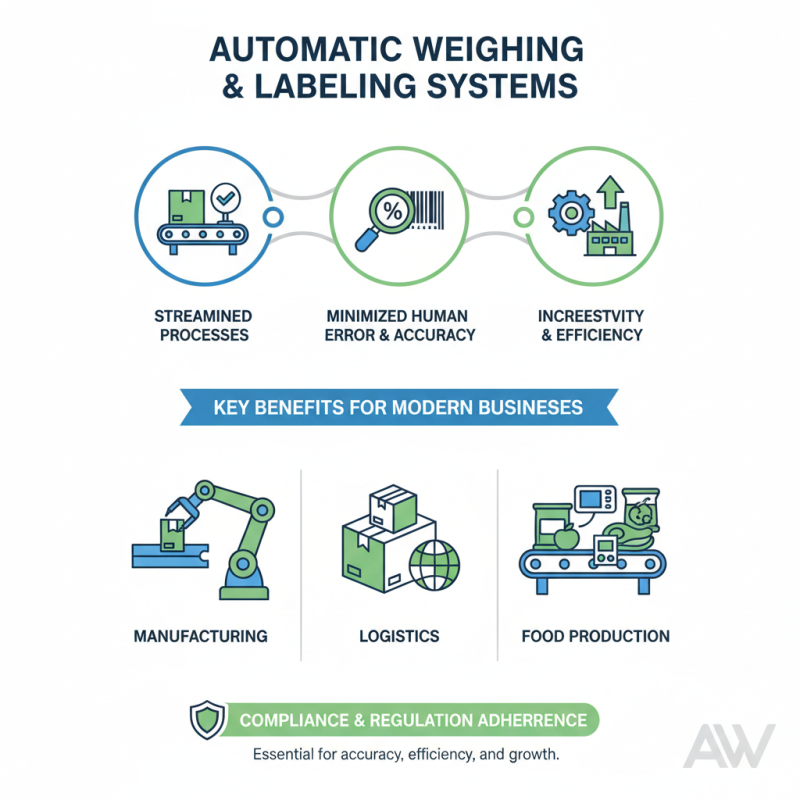
Automatic weighing and labeling systems have become essential tools in modern business operations, particularly in industries such as manufacturing, logistics, and food production. These systems streamline the weighing and labeling processes, minimizing human error and ensuring accuracy in product measurements and information. By automating these tasks, businesses can improve productivity and efficiency, allowing them to focus on core activities while ensuring compliance with regulations regarding product labeling.

Moreover, the implementation of automatic weighing and labeling systems enhances inventory management. With real-time data capture and integration into inventory systems, businesses can track product quantities, manage stock levels effectively, and reduce waste due to overproduction or mislabeling. The consistency and reliability of these systems foster customer trust, as consumers can be confident that they are receiving accurate information about the products they purchase. This technological advancement not only improves operational workflows but also contributes to customer satisfaction and loyalty, which are vital for long-term business success.
Enhanced Accuracy and Consistency in Product Weight Measurements

Automatic weighing and labeling systems have revolutionized the way businesses approach product packaging. One of the most significant advantages of these systems is their ability to enhance accuracy in weight measurements. Manual weighing can often result in human error, leading to discrepancies in product weight and potential losses. In contrast, automatic systems provide precise readings, ensuring that products are weighed consistently and correctly. This level of accuracy minimizes waste, reduces the risk of regulatory fines for underfilled products, and ultimately contributes to greater customer satisfaction by delivering exactly what is promised.

Moreover, consistency is a crucial aspect of any successful business operation. Automatic weighing and labeling systems ensure that each product meets predetermined specifications, maintaining uniformity throughout production runs. This consistency not only helps in building brand reliability but also streamlines inventory management and logistics. By consistently providing the right weight measurements, businesses can calculate their product volumes more effectively, leading to optimized storage solutions and efficient supply chain processes. The combination of enhanced accuracy and consistency ultimately fosters a professional image and boosts consumer trust, which are vital for long-term success in any industry.

Time Efficiency: Reducing Labor Costs with Automation

Automatic weighing and labeling systems significantly enhance time efficiency and can lead to substantial reductions in labor costs for businesses. According to a report by the International Society of Automation, implementing automated systems can increase operational efficiency by up to 30%. This is achieved by reducing the manual handling of products, which not only lowers the risk of errors but also streamlines workflow processes. As a result, teams can focus on higher-value tasks, rather than being bogged down by repetitive weighing and labeling activities.

Moreover, automation technology in weighing and labeling can dramatically decrease processing time. A study conducted by the Packaging Machinery Manufacturers Institute found that automated systems can perform tasks up to five times faster than manual processes. This rapid output allows companies to increase their production rates, meet growing consumer demand, and improve their overall market competitiveness. In the long run, the reduction in labor requirements not only cuts costs associated with wages but also minimizes overhead related to training new employees, thus enhancing the profitability of operations.

Top 10 Benefits of Automatic Weighing and Labeling Systems for Businesses

Improved Compliance with Regulatory Standards and Reporting

Automatic weighing and labeling systems play a crucial role in enhancing compliance with regulatory standards across various industries. These systems significantly reduce human error, which is essential in maintaining accurate records required by compliance authorities. By automatically capturing the weight and attaching the correct labels, businesses can ensure that their products meet the stringent requirements set forth in sectors such as food safety, pharmaceuticals, and manufacturing. This seamless integration of technology helps in maintaining precise documentation, crucial for audits and inspections.

Furthermore, these systems streamline the reporting process, making it easier for businesses to provide accurate data to regulatory bodies. They facilitate real-time data collection and analysis, allowing companies to quickly generate reports that reflect their adherence to regulations. This not only saves time but also enhances transparency, as stakeholders can easily access the information needed to evaluate compliance levels. By utilizing automatic weighing and labeling systems, businesses are not only able to meet current regulatory standards but also position themselves for future compliance challenges, ultimately fostering trust with customers and regulatory agencies alike.

Boosting Productivity Through Streamlined Operations and Processes

Automatic weighing and labeling systems have revolutionized the way businesses manage their operations, particularly in manufacturing and logistics. By automating these processes, companies can significantly increase their productivity. A key advantage of these systems is their ability to minimize human error, ensuring that products are accurately weighed and labeled. This precision not only speeds up production but also enhances inventory management and compliance with regulations.

Tips for implementing these systems effectively include investing in quality equipment that can handle the volume and variety of your products. Additionally, proper training for staff on how to operate and troubleshoot the systems can lead to smoother operations. Regular maintenance checks are also crucial to keep the machines running efficiently, preventing costly downtime that can disrupt productivity.

Ultimately, the integration of automatic weighing and labeling systems streamlines processes, allowing businesses to allocate resources more effectively and focus on other critical areas such as innovation and customer service. By optimizing these operations, companies can create a more agile and responsive supply chain.